 English
 Français
 عربى
 русский

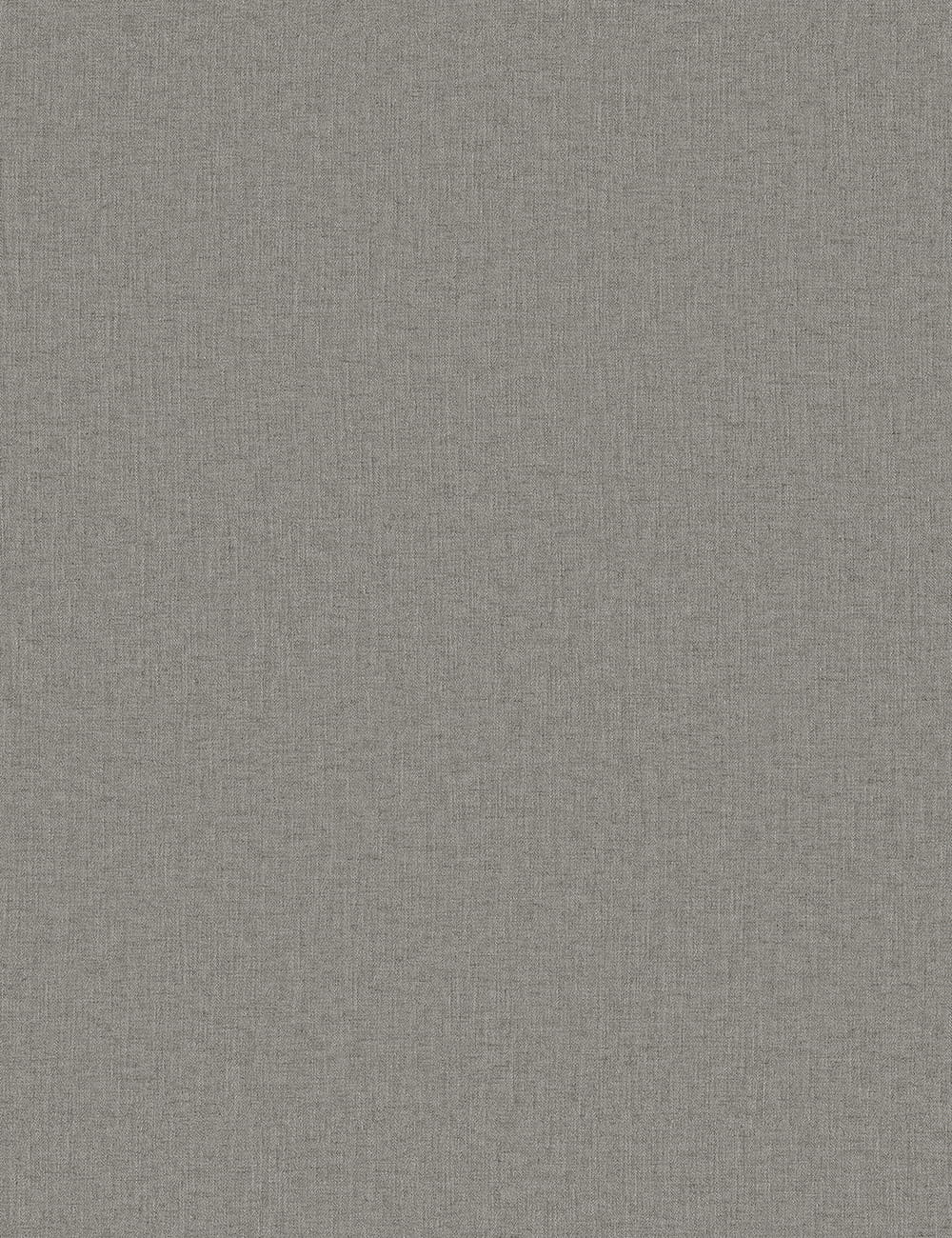
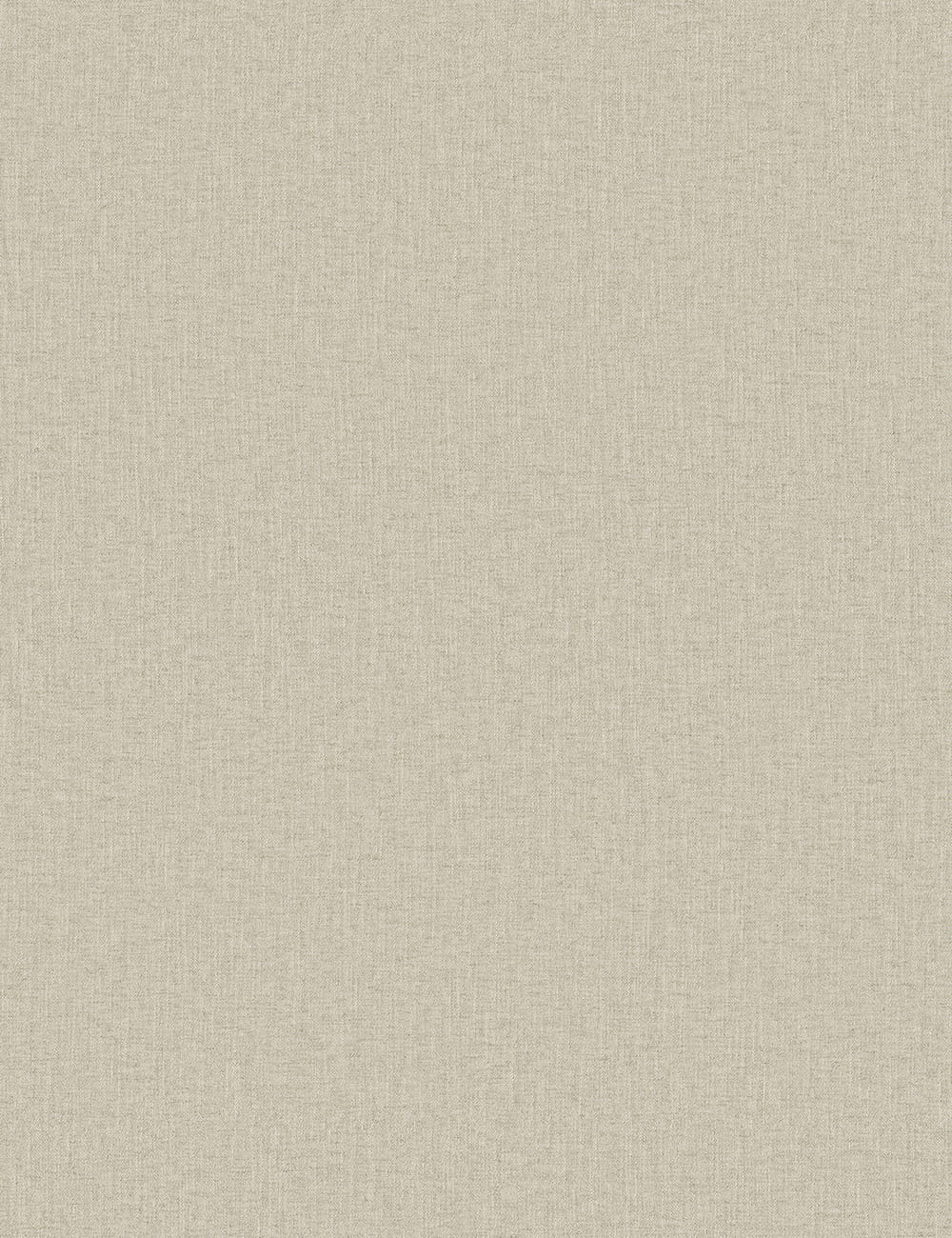


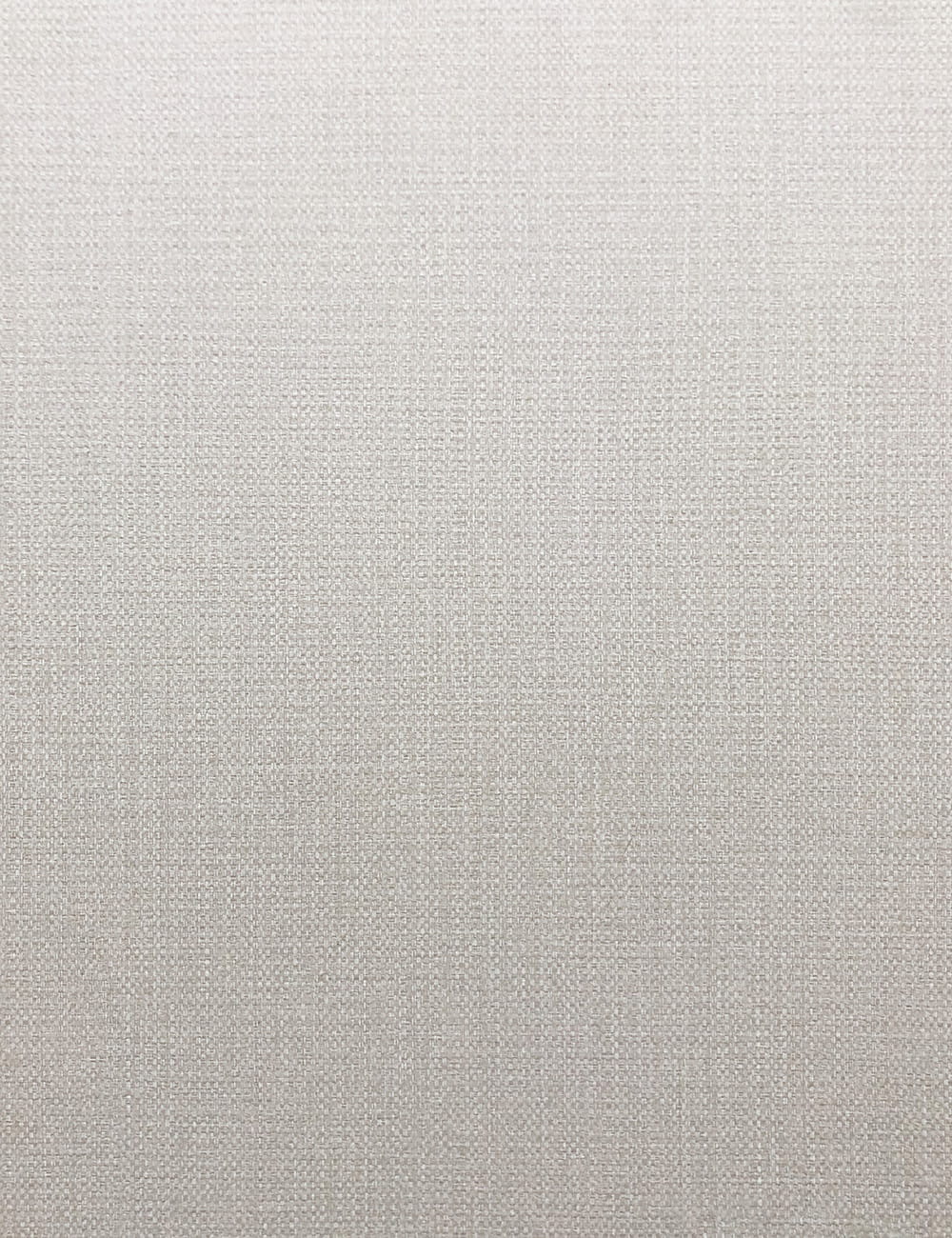
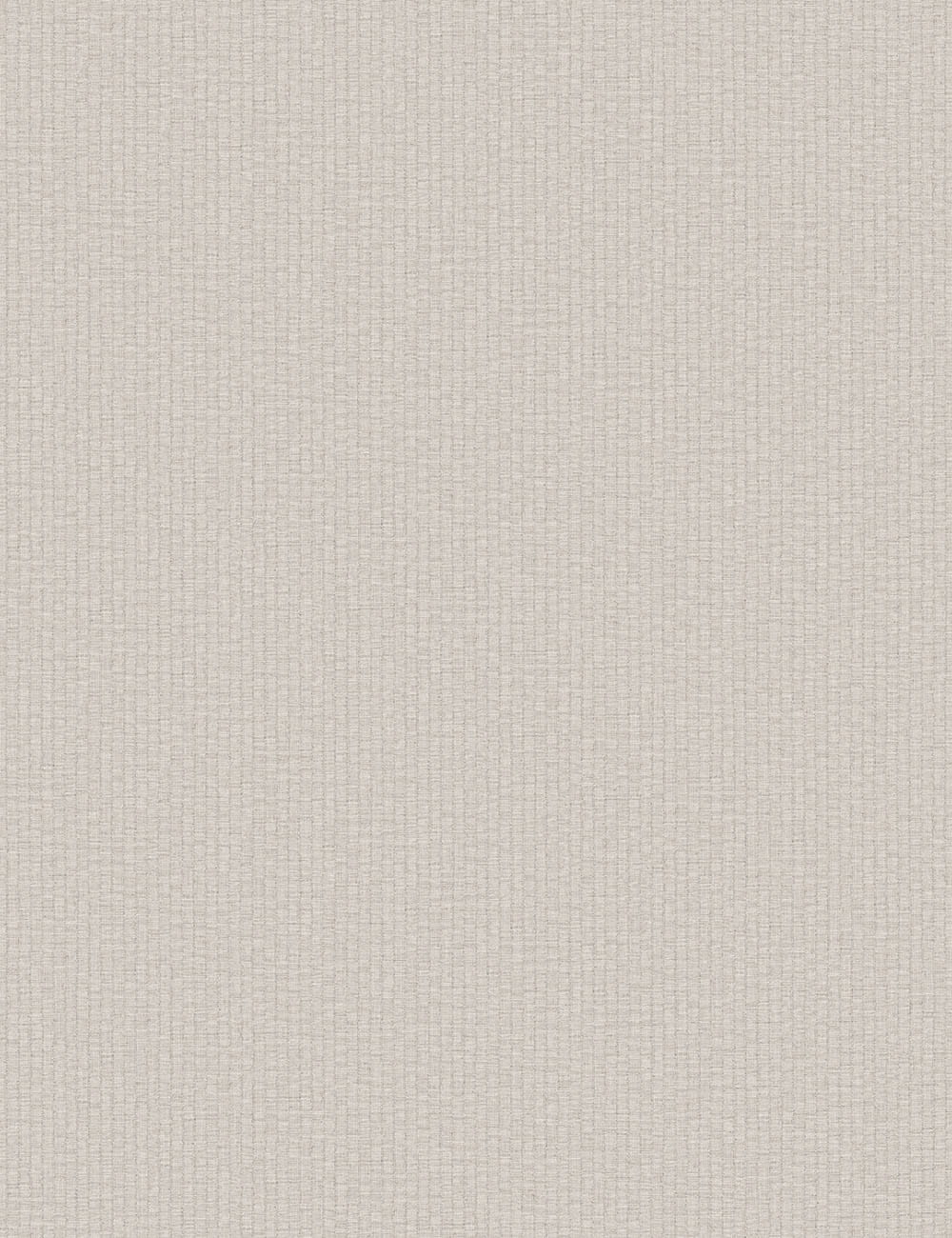
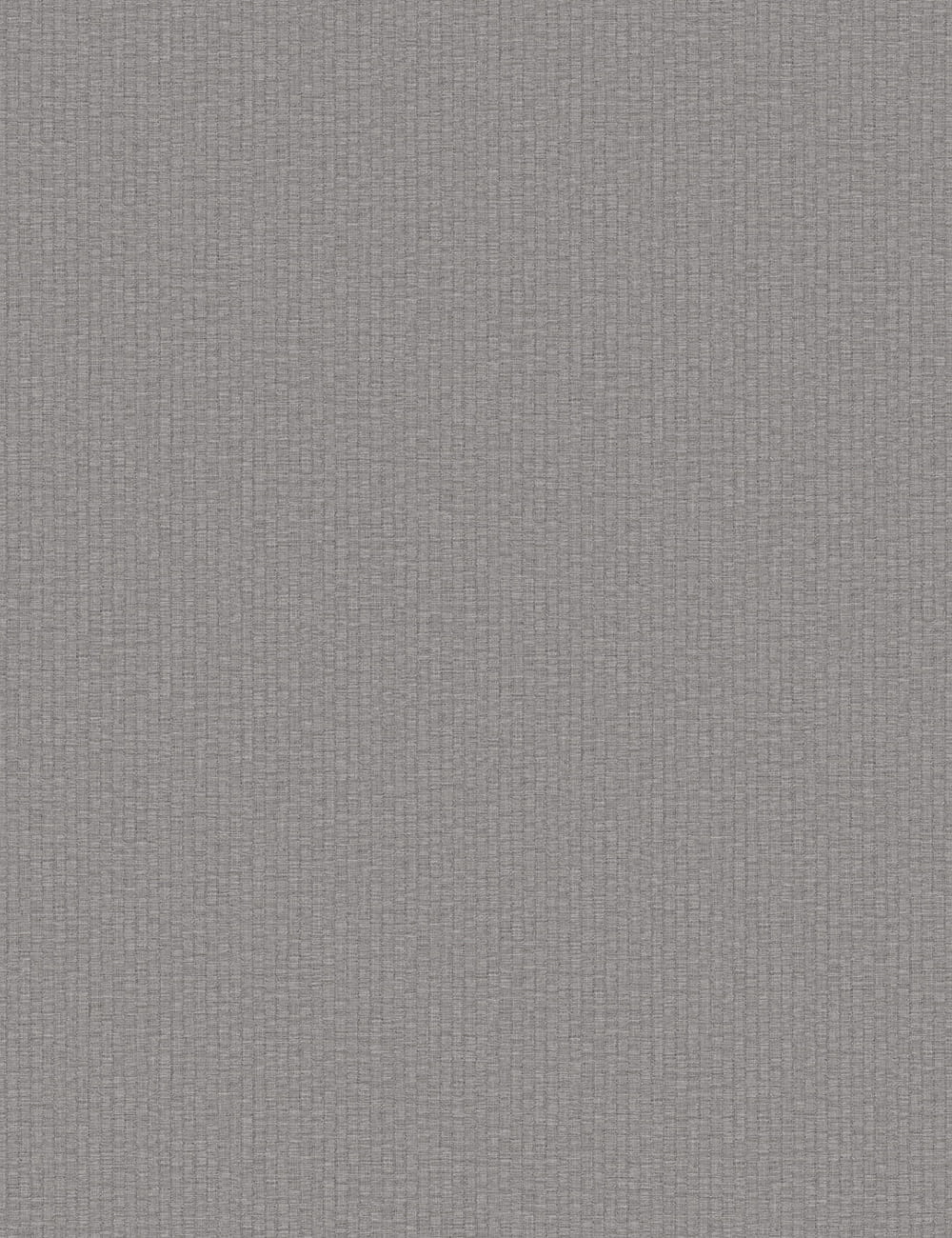

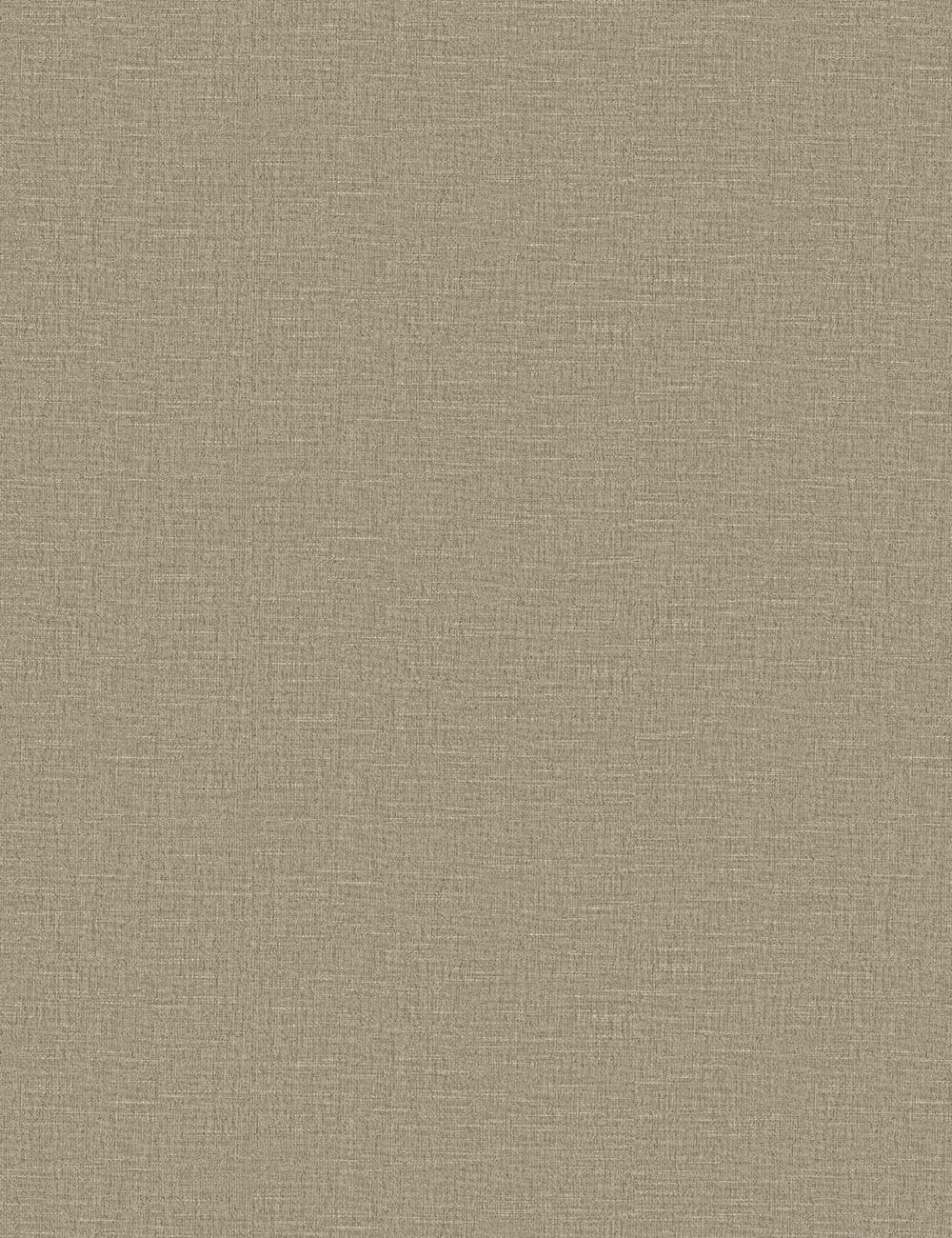
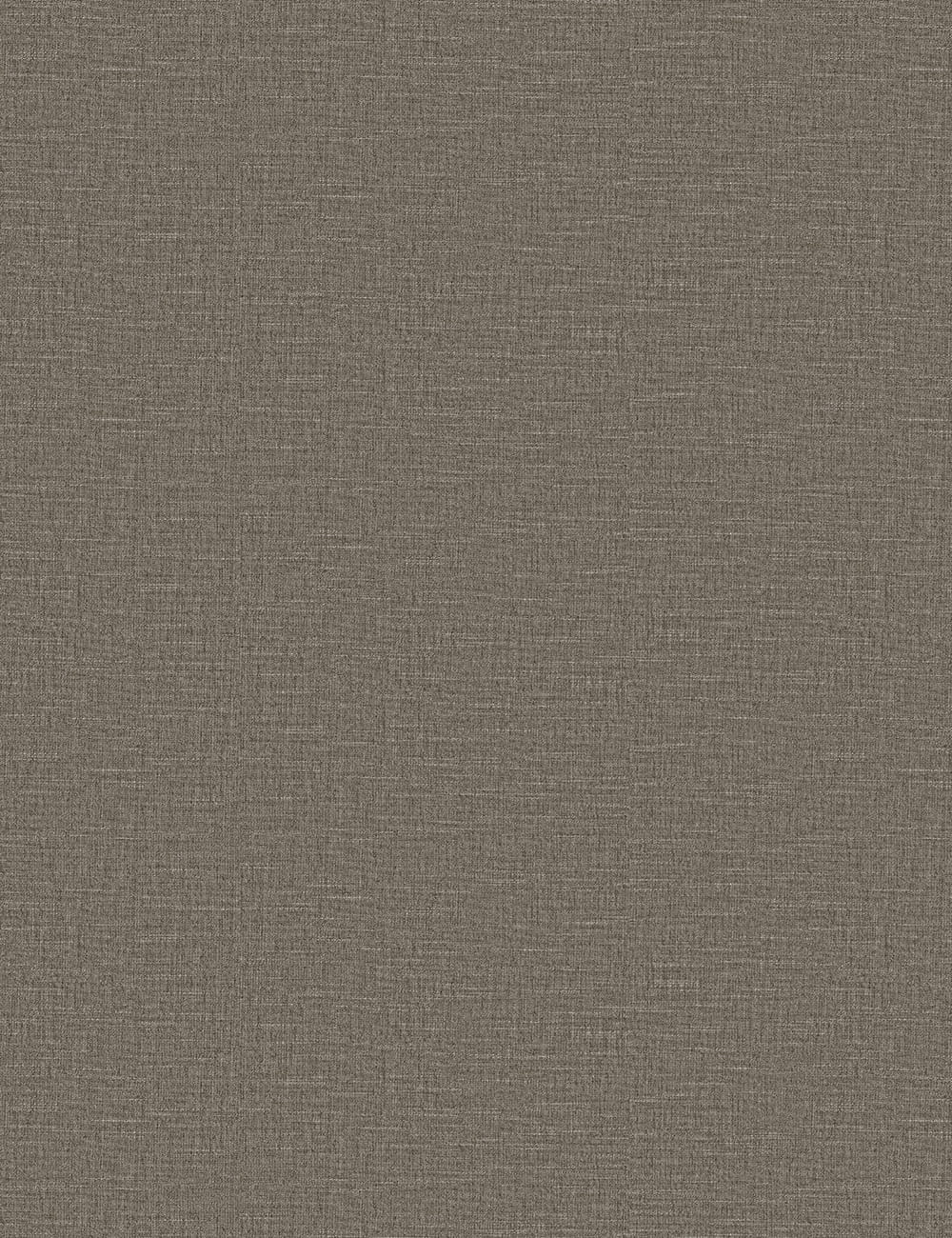

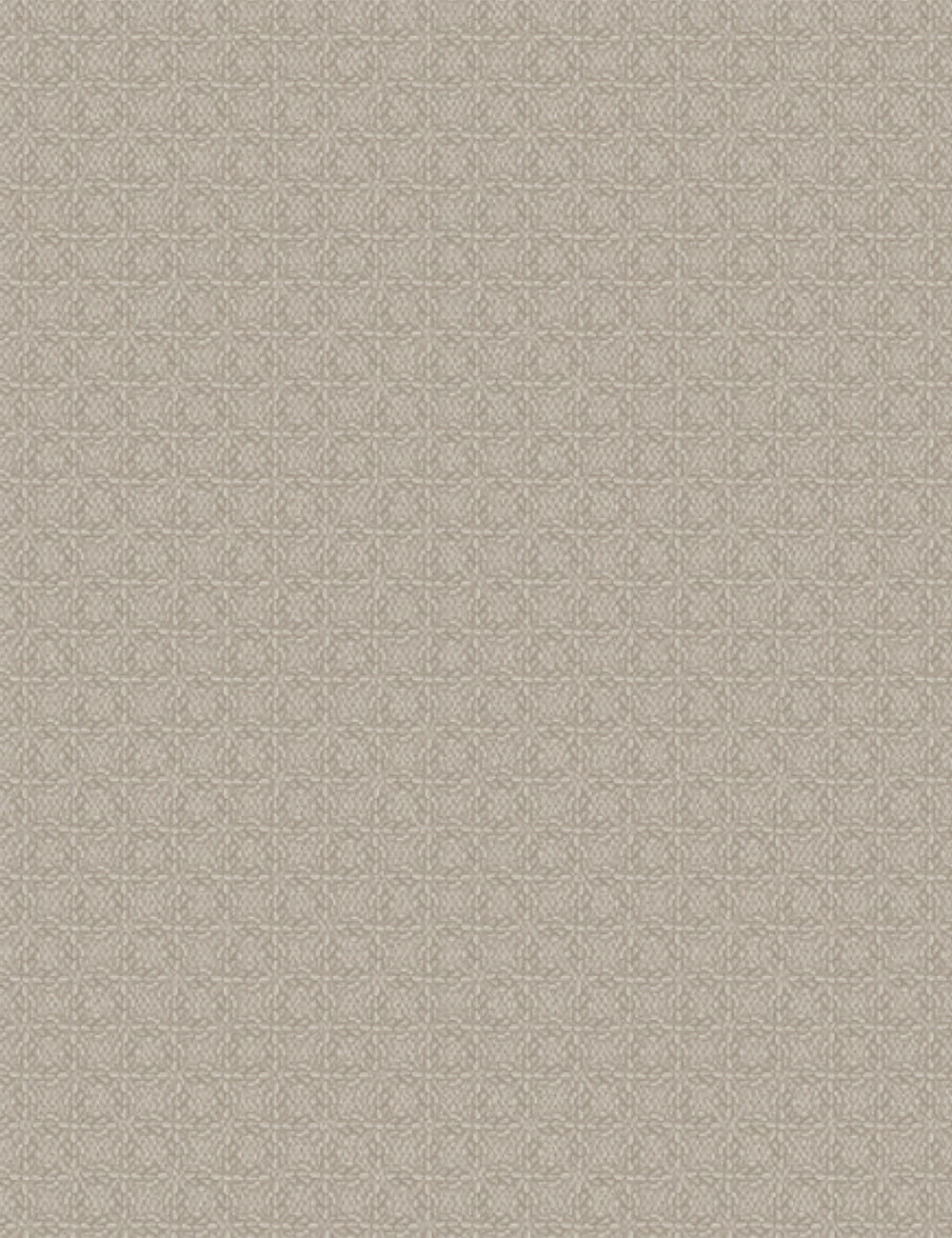
CoreVip(Shanghai) Decoration Materials Co., Ltd. specializes in the design, research and development, and production of furniture and interior decorative panels. We are China Fabric Texture Series - 4x9ft Decorative Panel Series (1220×2800mm) Suppliers and Custom Fabric Texture Series - 4x9ft Decorative Panel Series (1220×2800mm) OEM/ODM Factory.
Our brand philosophy is rooted in the harmonious fusion of natural artistry, contemporary aesthetics, and technological innovation. We meticulously select and refine raw materials, and continuously develop surface finishes that resonate with the aesthetics and lifestyles of the new era.
True luxury speaks through the essence of materials, the balance of proportions, and the subtlety of details, never through excess. With a philosophy of deliberate reduction, CoreVip(Shanghai) Decoration Materials Co., Ltd. unveils a more sophisticated vision of spatial beauty, crafting timeless and one-of-a-kind value for each home and each living environment.
-
Decorative Cladding Panels: Material and Finish Specs for Co...
Commercial cladding projects rarely fail on appearance; they fail on documentation. A panel that looked correct on a 200 mm sample can still be rejected at handover because the fire classification covers a bare board rather than the bonded assembly, because the second production batch drifts two D...
-
7x9ft Furniture Board: Applications and Handling in Large-Sc...
A 7x9ft furniture board measures 2,070 x 2,800 mm and carries 5.80 sq m of decorative face per sheet, about 70% more surface than the 1,220 x 2,800 mm panel most plants are tooled for. That extra 850 mm of width is what makes one-piece wardrobe doors and single-span hotel casegood gables possible,...
-
Laminated Furniture Board: Judging Surface Durability, Core ...
An 18 mm cabinet door hung on a 2.4 m run shows every 0.1 mm of thickness variation the panel carries, and a thin decor paper pressed over a coarse core shows every fibre underneath it. That is why a laminated furniture board has to be approved on three separate numbers: surface wear, caliper tole...
CoreVip(Shanghai) Decoration Materials Co., Ltd. is an Italian high-end decorative design brand that designs, develops and produces furniture and interior decorative panels from our Shanghai base. We are a China Fabric Texture 4x9ft Decorative Panel Suppliers, pressing woven-surface decorative panels onto MDF, particleboard and plywood cores for furniture factories, joinery contractors, distributors and interior design channels. The 4x9ft format of 1220×2800 mm lets a single sheet run from floor to a 2.7 m door head without a horizontal joint, which is why this series carries wardrobe fronts, wall cladding and door skins where a textile look has to survive handling, machining and daily use.
A Woven Surface on an Engineered Core
As a Custom Fabric Texture Series - 4x9ft Decorative Panel Series (1220×2800mm) OEM/ODM Suppliers, Factory, we match product configuration to the application, operating limits, interfaces and acceptance criteria defined for each project.
Fabric texture is a surface language, not a textile. We reproduce the weft and warp reading of linen, canvas and fine upholstery cloth in a decorative face that bonds to a stable board core, so cabinetry and cladding can pick up the softness of curtains and seating without the maintenance of real cloth. The same panel is drilled, grooved, edge-banded and fixed with standard woodworking equipment.
- Decorative face on particleboard, MDF or multilayer plywood, selected to suit the element and its fixing method.
- Low-relief and deeper-relief weave options, plain and directional, in warm neutrals through cool greys.
- Part of our 4x9ft Decorative Panel Series (1220×2800mm) and coordinated with the wider surface programme for whole-home and commercial schemes.
Our Fabric Texture Range in 1220×2800 mm
Eleven articles sit in this series, each identified by an article code that stays constant across samples, repeat orders and cut lists. Directional weaves are pressed with a defined grain direction, so panel layout on tall doors and column wraps is planned before the board is cut.
| Article | Surface character | Format | Typical fit |
|---|---|---|---|
| VB-924 Deep Fabric Texture | Pronounced weave structure with visible relief | 1220×2800 mm | Feature walls, headboard surrounds, reception fronts |
| VB-925 Light Fabric Texture | Fine linen reading, shallow relief | 1220×2800 mm | Full-wall cladding, wardrobe doors, sliding panels |
| VB-127 Light Fabric Texture Classic | Balanced neutral weave | 1220×2800 mm | Living room joinery, cabinet fronts |
| VB-128 Light Fabric Texture Modern | Tighter contemporary weave | 1220×2800 mm | Kitchen and bathroom vanity fronts |
| VB-216 Light Fabric Texture Premium | Refined low-sheen weave | 1220×2800 mm | Hospitality and retail fit-outs |
| VB-219 Vertical Fabric Texture | Directional vertical weave | 1220×2800 mm | Tall doors, column wraps, fluted panelling |
| VB-220 Vertical Fabric Texture Classic | Softer vertical stripe | 1220×2800 mm | Wardrobe doors, sliding wall panels |
| VB-210 Poliform-Style Fabric Texture Classic | Italian-reference weave for coordinated schemes | 1220×2800 mm | Whole-home walls, doors and cabinets |
| VB-227 Coffee / VB-228 Grey Fabric Texture | Warm brown-grey and cool grey tone variants | 1220×2800 mm | Tone-matched cabinetry and wall units |
| TB-127 / TB-128 Floral Fabric Texture | Patterned weave for larger elevations | 2070×2800 mm | Feature walls with wide spans |
Where a project needs a deeper hand or a different relief, articles such as the Deep Fabric Texture 4x9ft Decorative Panel sit at the heavier end of the range, while the light articles cover large quiet elevations.
Application Fit Across Furniture and Interior Work
- Wardrobes and closets: full-height doors and side panels cut from a 2800 mm sheet with no mid-joint.
- Wall cladding and panelling: living rooms, bedrooms and corridors where a textile tone replaces paint or wallpaper.
- Kitchen and bathroom joinery: MDF or plywood cores where moisture exposure and fixing loads call for a denser board.
- Doors and integrated schemes: matching wall, door and cabinet faces from one surface family.
- Commercial fit-outs: reception desks, retail fixtures and hospitality casework in repeated batches.
Fabric surfaces read as warm and quiet next to veneer, lacquer and stone. For schemes that need contrast on the same elevation, our Leather Texture Series shares the same format and substrate logic, which keeps machining and fixing details common across both surfaces.
Substrates, Thickness and Panel Format
We build each fabric-texture panel on the core the element needs, then confirm thickness against the fixing detail rather than the other way round. Substrate screening, sanding and board surface treatment give a flat, stable base before the decorative face is applied, and uniform adhesive application under controlled pressing reduces bubbles, wrinkles and delamination in the finished panel.
- Cores: particleboard, MDF and multilayer plywood, with size and thickness customised to the order.
- Standard sheet: 1220×2800 mm; the wider 2070×2800 mm programme covers large-span elevations.
- Face options: melamine-faced, fabric and leather decorative, lacquer, metal-faced, high-gloss and mirror-effect surfaces across the catalogue.
- Edge treatment: PVC edge banding in a broad colour and pattern range, plus seamless one-piece curved edge for radiused returns.
Consistency, Inspection and Batch Control
Woven surfaces show tone and sheen variation more readily than flat colours, so colour, texture, gloss and visual flatness are controlled as one set of parameters. Our 23,000 m² facility runs 18 production lines, and raw materials are screened and comparatively tested before release to production. In-process inspections follow standardised manufacturing procedures so that surface performance, structural stability and batch-to-batch consistency hold across repeat orders.
- Incoming material inspection and comparative testing of decorative faces and cores.
- Procedural in-process checks on pressing, coating and finishing stages.
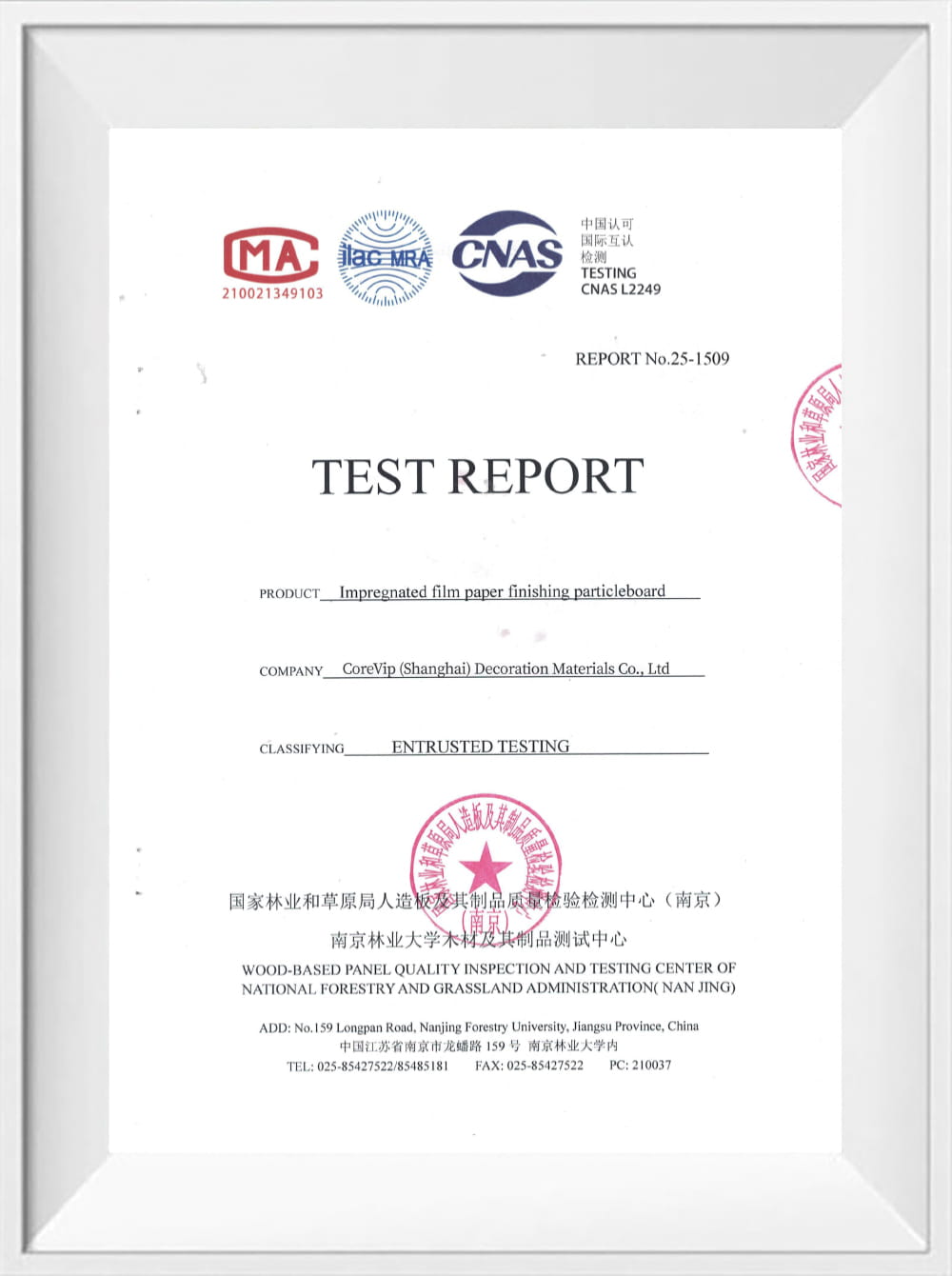
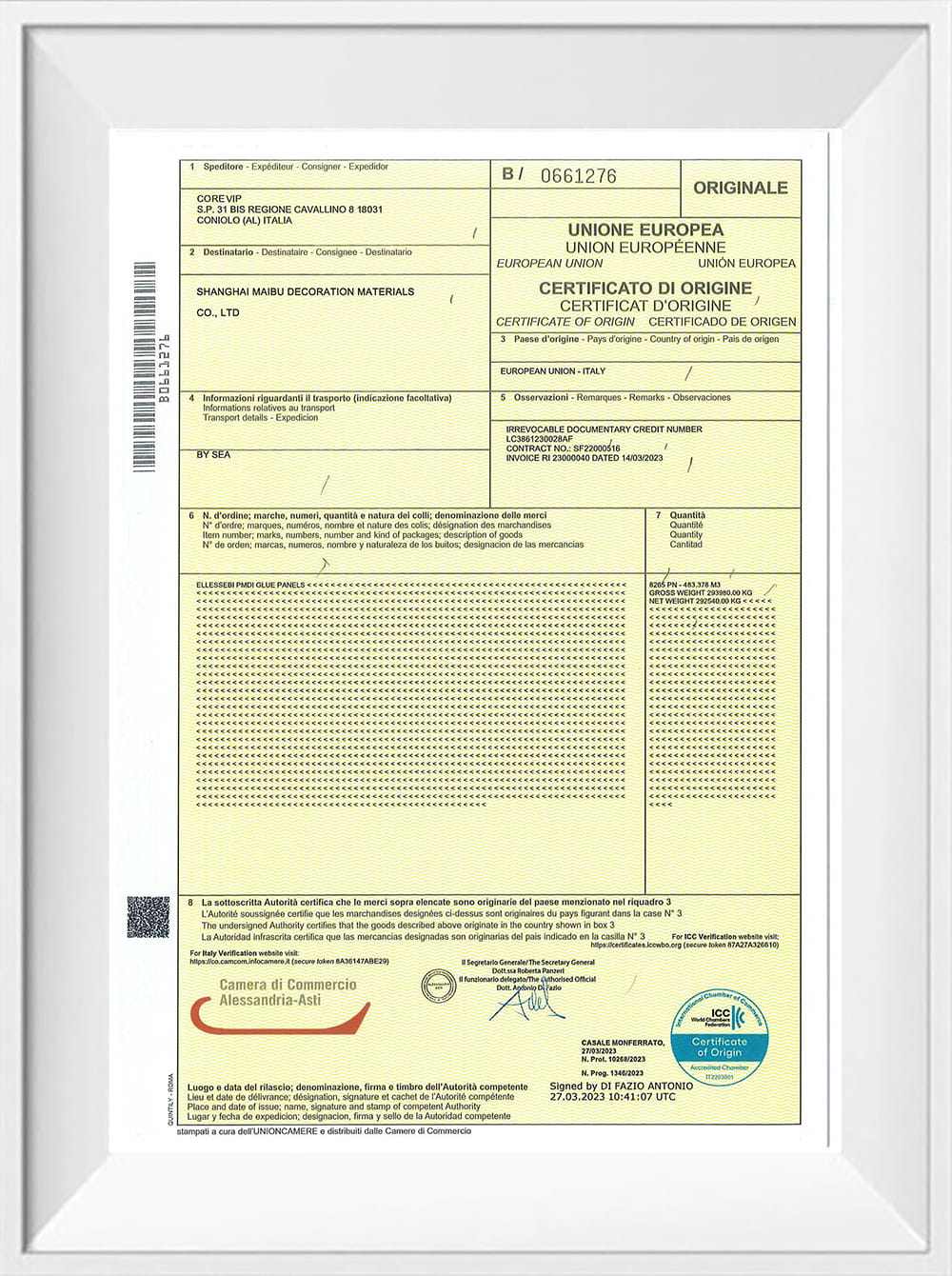
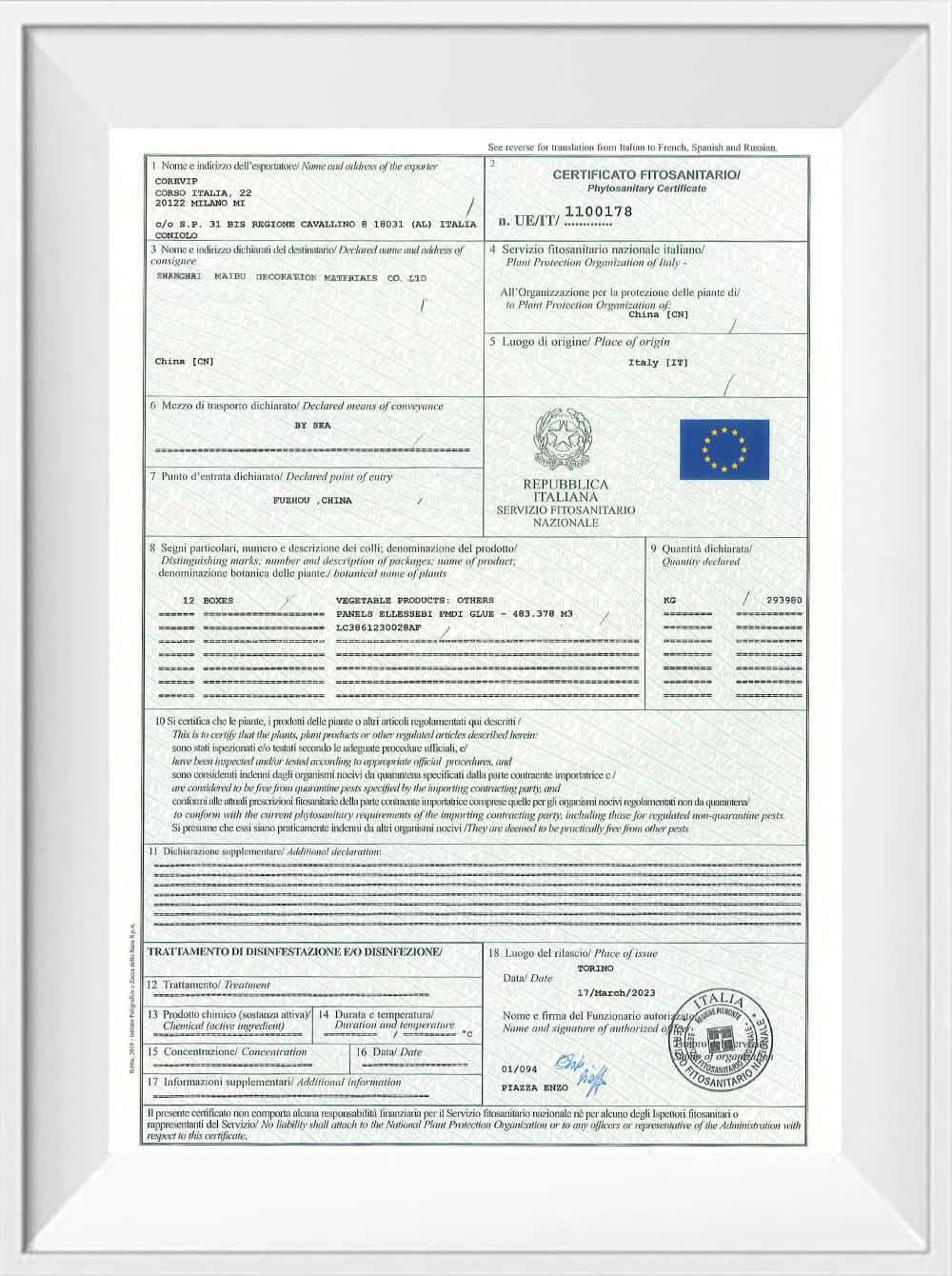
- Inspection Report, Certificate of Origin and Quality Inspection Certificate issued with shipments.
Fabrication, Installation and Servicing Notes
Panels are supplied for standard woodworking: panel saws, CNC routers, edge banders and dowel or cam assembly all apply. Because directional weaves run one way, we mark grain direction and recommend keeping consecutive panels from the same batch on the same elevation.
- Cut and machine with sharp tooling and support the face to avoid surface marking at the saw exit.
- Band exposed edges with the matched PVC or the seamless curved edge on radiused returns.
- Store flat, off the floor, in dry conditions before installation; acclimatise panels to the room.
- Clean with a soft damp cloth; avoid abrasive pads and solvent-heavy agents on the woven face.
Custom Production and OEM/ODM Configuration
Substrates, sizes and colours are customised to project and market requirements, and we work as an OEM/ODM partner for distributors and furniture manufacturers building their own surface collections. Configuration is settled at sample stage: which article and tone, which core, which thickness, which edge, and whether the panel ships as a full sheet or as a cut-to-size component with the matching edge banding. Samples and pressed reference panels are issued before production so the approved surface is the one that runs.
Information We Use to Configure Your Solution
A usable quotation depends on the working point, not on a panel name alone. The matrix below shows what we ask for and what the answer changes in the proposal.
| Project input | What it determines | What we return |
|---|---|---|
| Element and application | Wear, moisture exposure, fixing method, edge visibility | Substrate and thickness recommendation |
| Surface reference | Article code and tone family, grain direction | Samples and pressed reference panel |
| Panel format and cut list | Yield per sheet, joint positions, door heights | Layout review and material take-off |
| Processing plan | Edge banding, CNC work, curved returns | Matched edge supply and fabrication guidance |
| Quantity and phasing | Batch planning and repeat-order continuity | Production schedule and batch identification |
| Destination and packing | Protection in transit, handling at site | Pack configuration and shipping marks |
Frequently Asked Questions
What size are Fabric Texture Series panels supplied in?
The 4x9ft series is produced at 1220×2800 mm. Floral Fabric Texture articles in the wider programme run at 2070×2800 mm, and custom sizes are available on request.
Which core should we specify?
Particleboard, MDF and multilayer plywood are all available. MDF and plywood are the usual choice where routing detail, screw-holding or moisture exposure matter; particleboard suits large flat runs of cabinet and wall panels. We confirm thickness against your fixing detail.
Can you supply matching edge banding and other surfaces?
Yes. PVC edge banding is available in a broad colour and pattern range, and seamless one-piece curved edge is offered for radiused returns. Fabric, leather, wood grain, stone and metallic surfaces can be coordinated across one project from the same programme.
How is colour kept consistent between batches?
Raw materials are screened and comparatively tested before production, and in-process inspections monitor surface performance, structural stability and batch-to-batch consistency. Repeat orders are planned against the approved reference so the surface stays on standard.
Which documents accompany a shipment?
Orders are issued with an Inspection Report, Certificate of Origin and Quality Inspection Certificate. Test reports and collection brochures are available for specification files.
What do you need to prepare a quotation?
Send the element type, preferred article or tone, core and thickness, sheet or cut-to-size format, quantity per phase and destination. With a cut list we also review panel layout and edge requirements before pricing.


Copyright © CoreVip(Shanghai) Decoration Materials Co., Ltd. Rights Reserved.
Custom Fabric Texture Series - 4x9ft Decorative Panel Series (1220×2800mm) OEM/ODM Suppliers
