 English
 Français
 عربى
 русский

7x9ft Furniture Board: Applications and Handling in Large-Scale Furniture Production
A 7x9ft furniture board measures 2,070 x 2,800 mm and carries 5.80 sq m of decorative face per sheet, about 70% more surface than the 1,220 x 2,800 mm panel most plants are tooled for. That extra 850 mm of width is what makes one-piece wardrobe doors and single-span hotel casegood gables possible, and it is also what breaks lifting routines, saw infeed tables and nesting plans written around 1,220 mm stock.
The notes below take a production-floor view of the format: what it actually measures, where it earns its place, how cutting and handling change, and which checks belong before the first cut.
What a 7x9ft Furniture Board Actually Measures
A 7x9ft board is supplied at 2,070 mm by 2,800 mm, which is 64 mm narrower and 57 mm longer than the 2,134 x 2,743 mm implied by the imperial name.
The name is a trade label, not a dimension. Anyone writing a purchase order or a CNC program should quote millimetres, because the 64 mm difference decides whether parts nest three-across or two-across. On a 600 mm module, 2,070 mm allows three columns plus a 270 mm strip. The 2,800 mm length matches the height that tall cabinetry, door blanks and wall cladding are usually planned to.
Large-format furniture board: a decorative-faced panel supplied at 2,070 mm width and 2,800 mm length. It is handled as oversize stock because its width exceeds the 1,220 mm module used by most panel saws, edge banders, racking systems and delivery crates.
| Specification | 1,220 x 2,800 mm panel | 2,070 x 2,800 mm panel |
| Face area | 3.42 sq m | 5.80 sq m |
| Area ratio | 1.00 | 1.70 |
| Width beyond the 1,220 mm module | 0 mm | +850 mm |
| Estimated weight, 18 mm at 650 kg/m3 | about 40 kg | about 68 kg |
| Typical production role | Carcasses and doors under 2,400 mm | Full-height doors, islands, casegoods |
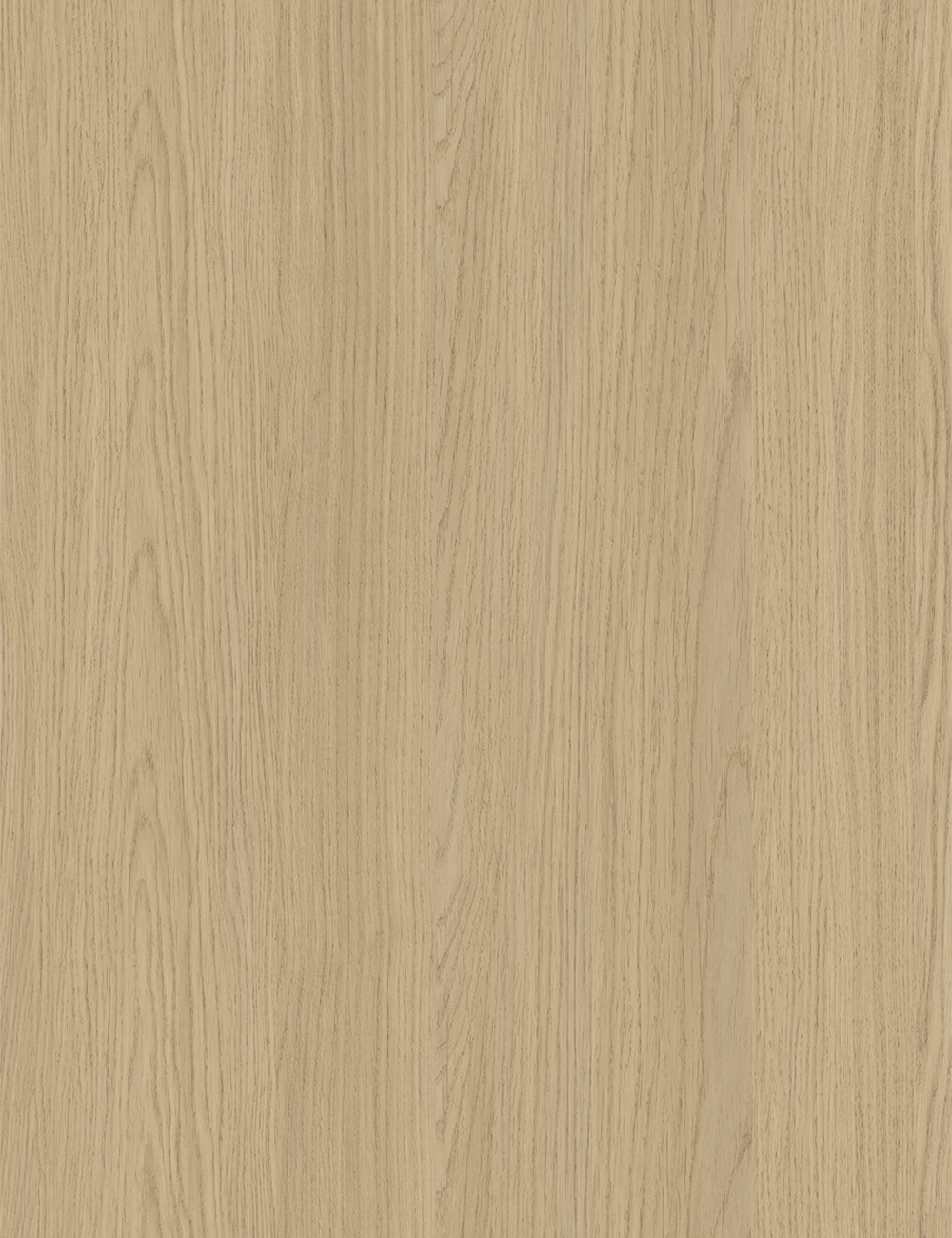 Custom 7x9ft Decorative Panel SeriesBrowse the 2070×2800 mm decorative panel range across wood grain, solid color, fabric, marble, leather and metallic finishes; compare series before checking substrate standards.View Product →
Substrates for the format are particleboard and MDF, with declared properties referenced to EN 312 for particleboard, EN 622-5 for dry-process MDF and EN 14322 for melamine-faced boards intended for interior use. Those documents define how thickness, dimensional tolerance and surface performance are stated, so they are the right place to verify a supplier claim rather than a brochure headline.
Where the 7x9ft Format Earns Its Place in Furniture Production
The 7x9ft format earns its cost on any component taller than 2,400 mm or wider than 1,200 mm, because it removes a joint from a face the end customer will touch.
In large-scale furniture production the format appears in a predictable set of parts:
- Full-height wardrobe and closet doors between 2,400 mm and 2,700 mm, with grain running continuously from top to bottom.
- Gables and island backs 1,600 mm to 2,000 mm wide, cut as one piece instead of two book-matched halves with a visible seam.
- Hotel casegoods: headboard surrounds, desk and vanity fronts, and wardrobe door pairs repeated across 80 to 200 identical rooms.
- Retail fixtures: reception counters, cash wraps and display towers where a horizontal joint would break the design line.
- Wall cladding in lobbies and corridors, planned on a 2,800 mm vertical grid so joints fall on shadow gaps rather than at eye level.
- Kitchen tall units and pantry surrounds, where a 2,700 mm door needs a blank that does not stop at 2,400 mm.
Hospitality work is the clearest case. When a single room type repeats 150 times, one extra horizontal joint per wardrobe door becomes 150 joints to fill, sand and colour-match, and each one is a callback risk. That is why panels specified for hotel interiors, retail fit-outs and other commercial hospitality spaces are usually chosen on joint count rather than sheet price.
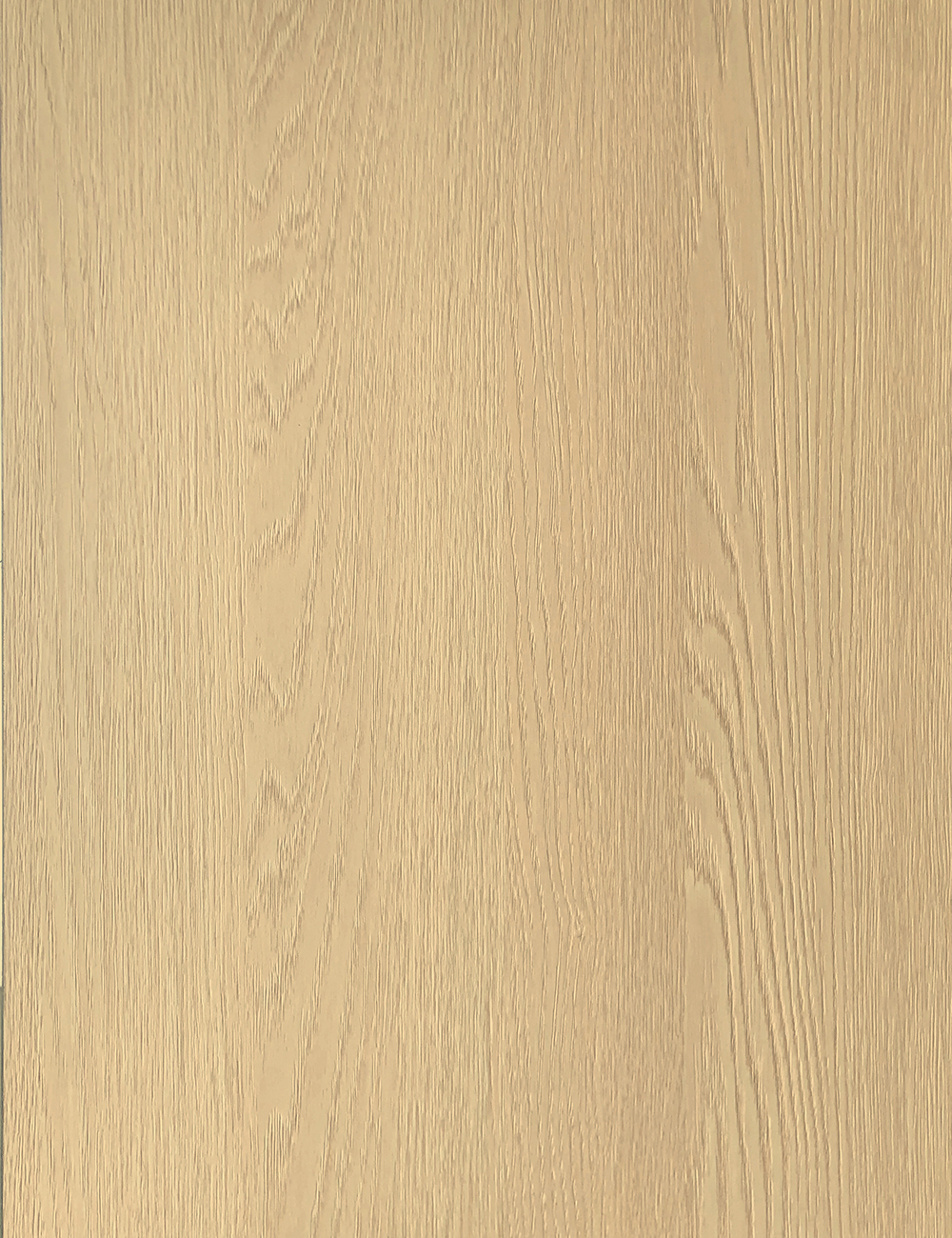
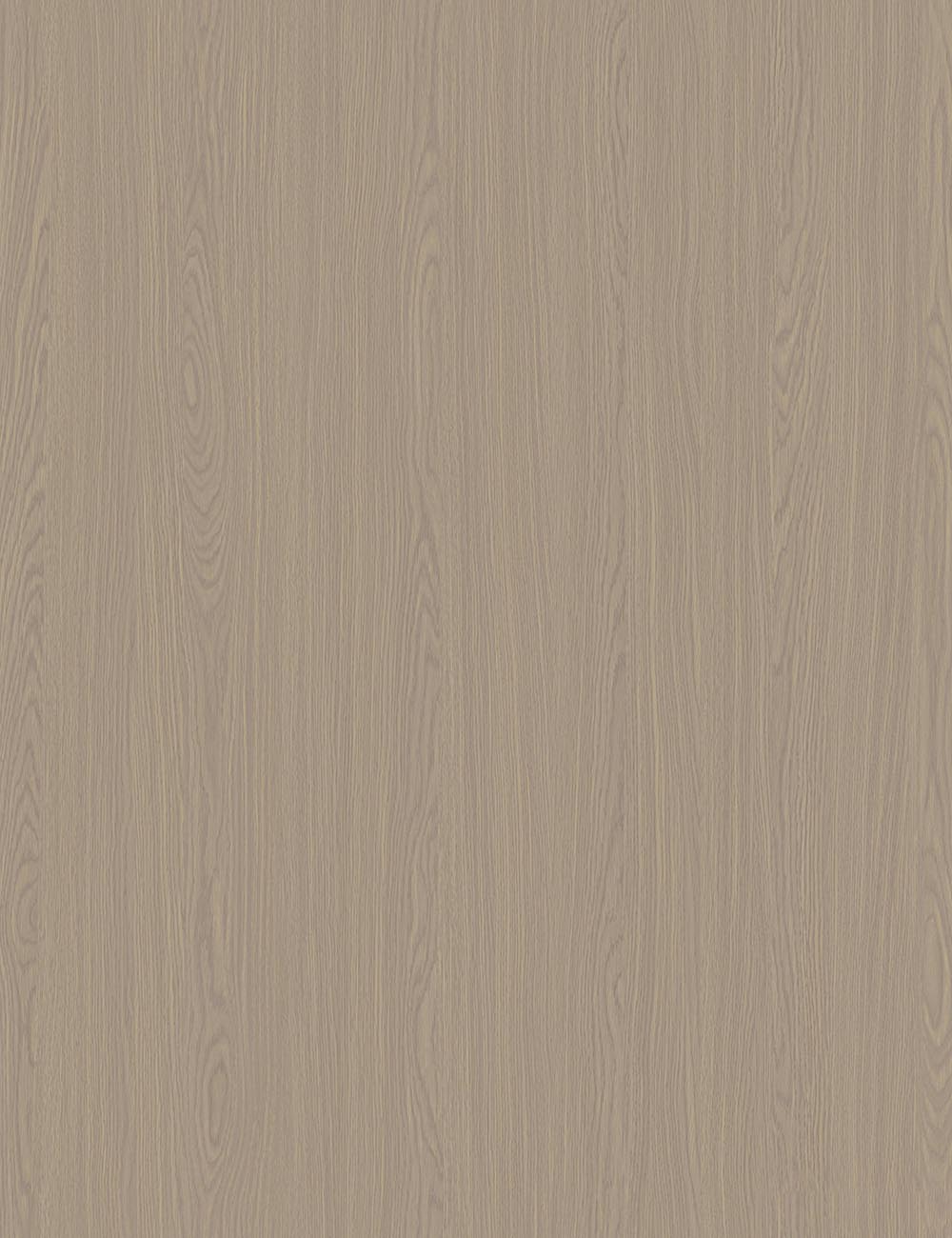
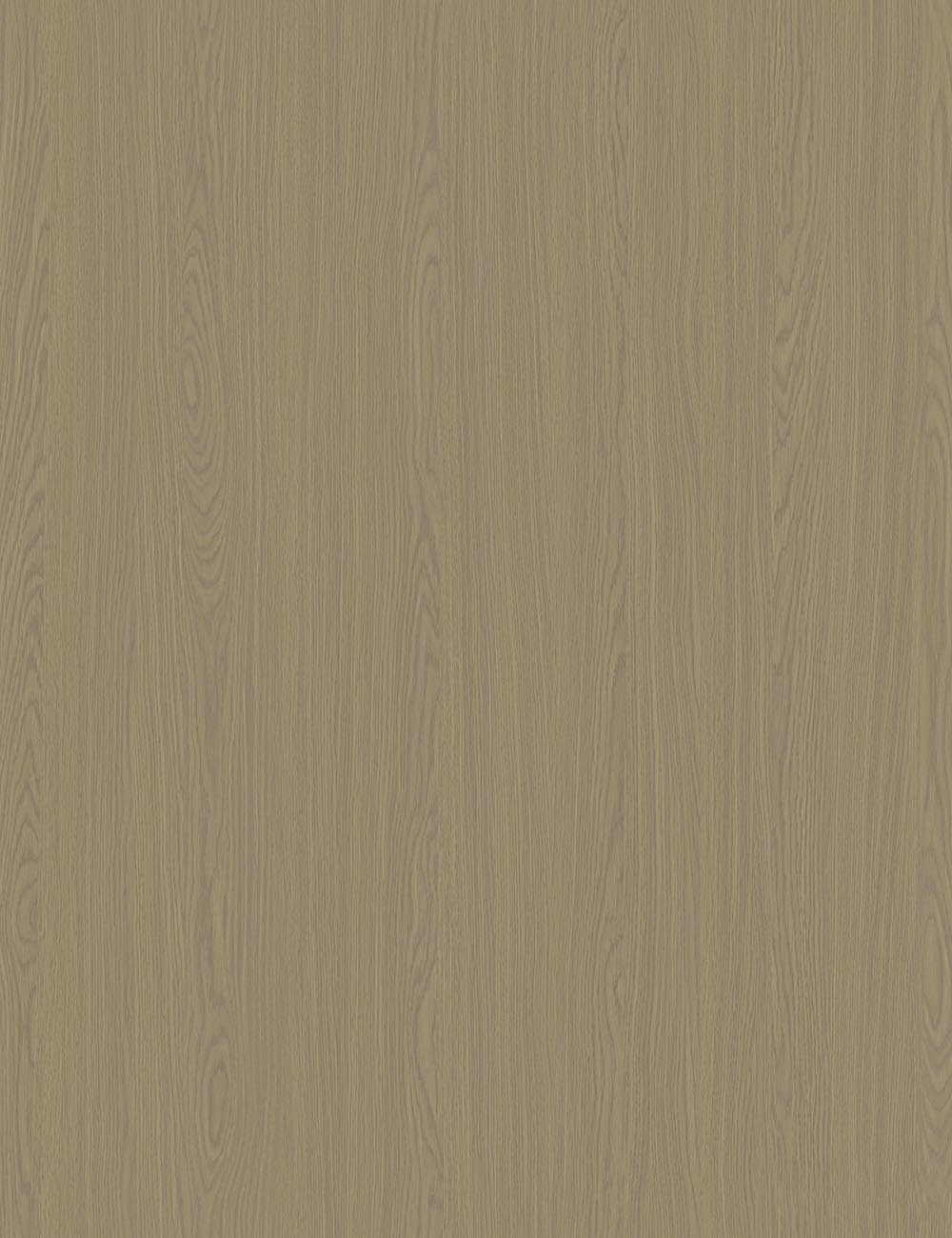
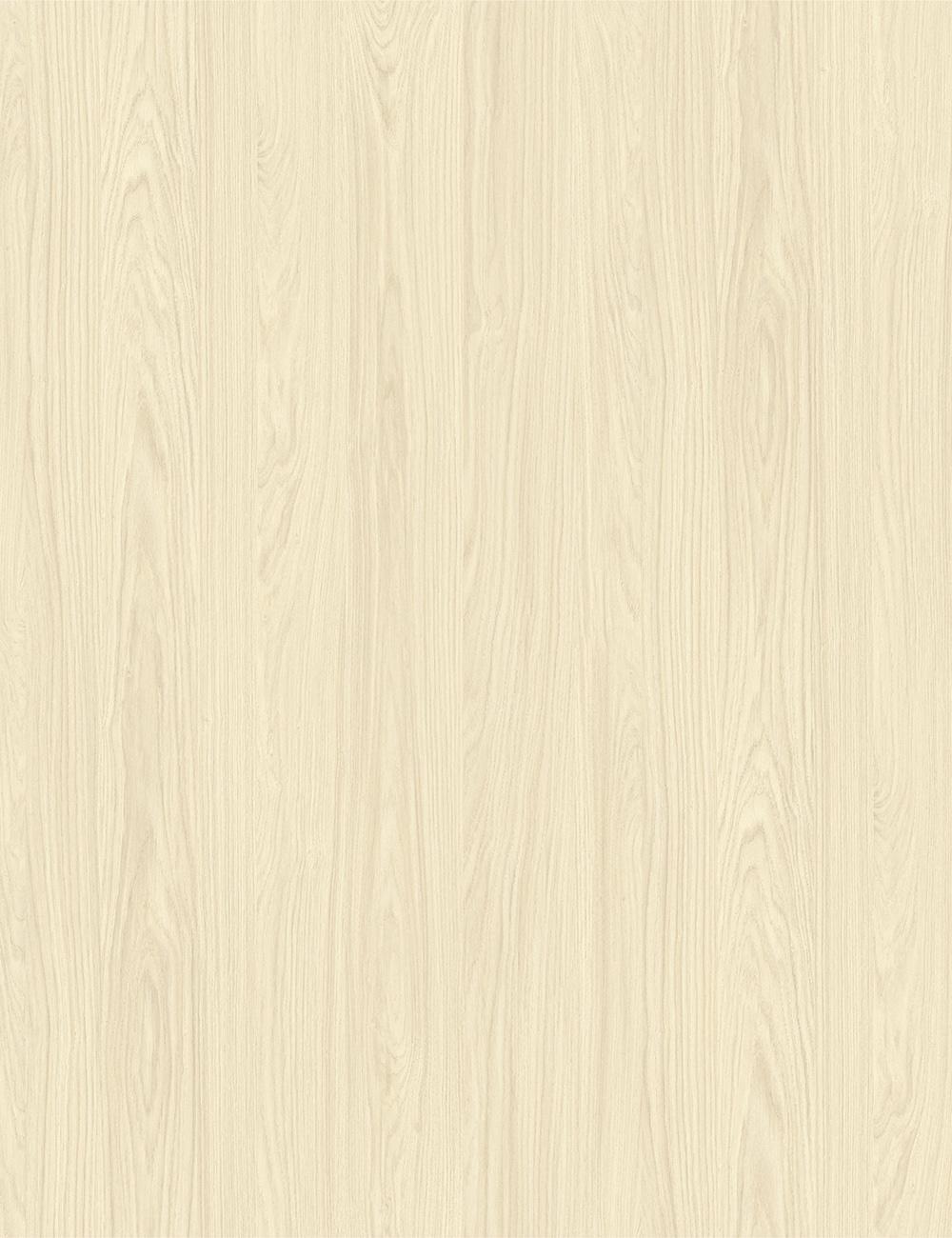
Wood Grain Series 7x9ft Decorative PanelsReview oak, walnut and maple wood-grain finishes in the 2070×2800 mm format, where continuous vertical grain can reduce joints in hospitality and retail fit-outs.View Product →
Wood grain faces make the argument most directly: a continuous 2,800 mm vertical grain cannot be reproduced across two joined panels, no matter how carefully the veneer is sequenced.
Cutting Plans, Yield and the Real Cost of Oversize Waste
One 7x9ft board replaces 1.70 sheets of 1,220 x 2,800 mm stock by area, so the format only pays when the parts are genuinely wider or taller than the smaller sheet allows.
Take a 2,700 mm tall cabinet side at 600 mm wide. On a 7x9ft board you trim 100 mm off the length, then fit three sides across the 2,070 mm width and keep a 270 mm strip. On a 1,220 x 2,800 mm board the same trim leaves two sides plus a 20 mm waste sliver.
Illustrative Example: three 600 x 2,700 mm sides from one 7x9ft board use 4.86 sq m of 5.80 sq m, a face yield of 83.8% with a 270 mm strip left for rails and shelf parts. Two sides from one 1,220 x 2,800 mm board use 3.24 sq m of 3.42 sq m, a yield of 94.8% with almost no usable off-cut.
Read together, those two calculations set the trade-off. Per finished side panel, the 7x9ft route consumes 1.93 sq m of board while the 1,220 mm route consumes 1.71 sq m, so the large format is roughly 13% more material-hungry per part. It wins when the leftover strip is genuinely used, or when the alternative is a joint on a visible face. Plan that strip into shelves, rails, drawer boxes or toe kicks before the cutting list is signed off.
Two more figures belong in the same conversation. A beam saw kerf of about 4.4 mm removes roughly 0.013 sq m on a 2,800 mm cut, small per board but repeated on every part. A nesting router with a 6 mm cutter needs a bed of at least 2,100 x 2,900 mm to process the format, so a shop running a 1,250 x 2,500 mm router should not assume it can nest this stock.
Handling, Storage and Machine Fit
A single 18 mm 7x9ft board weighs about 68 kg at 650 kg/m3, roughly three times the 23 kg load constant used in the NIOSH lifting equation, so it cannot be moved manually as a routine operation.
What a 1,220 mm workflow assumes
- One trained operator plus a trolley
- 1,250 mm racking bays
- 2,500 mm rear support on the saw
- Off-cuts into a standard bin
- Delivery on a 1,200 mm pallet
What 2,070 mm stock requires
- Vacuum lifter or a two-person A-frame
- 2,150 mm racking bays with vertical dividers
- 2,900 mm rear support and outfeed stops
- A separate zone for 270 mm and 400 mm strips
- Crated delivery and a forklift with 1,200 mm forks
Between unloading and the first cut, five steps keep the batch usable:
- Inspect the crate edges before unloading; transport damage shows first on the corners of the top board.
- Move boards on an A-frame trolley held near vertical, and never drag a face across a stack.
- Store flat on a level rack with full support, or vertically in a rack with dividers at 600 mm centres.
- Acclimatise in the production area for 48 to 72 hours before cutting, so the panel reaches the temperature and moisture of the assembly room.
- Set fence travel, rear support and outfeed stops to 2,070 mm, then trim 10 to 15 mm from all four edges before running the cutting list.
Matching Surface to Substrate Across a Large Face
The 7x9ft format is offered in wood grain, solid colour, fabric texture, marble and stone, leather texture and metallic faces, so the surface decision comes before the size decision, not after it.
A larger face exposes more surface than a small one. A 5.80 sq m panel shows gloss variation, grain repetition and book-match errors that a 1,220 mm sheet would hide inside a joint. Surface selection notes:
- Wood grain: continuous 2,800 mm grain is the strongest reason to use the format; confirm consecutive boards come from the same production batch before committing a wall of doors.
- Marble and stone: two 2,070 mm boards book-matched produce a 4,140 mm span, which suits island fronts and reception counters.
- Leather and fabric textures: wrapped or edged panels need a return of at least 100 mm per edge, which reduces usable face width to about 1,870 mm.
- Metallic and high-gloss: reflections make flatness visible, so check substrate flatness and thickness consistency before choosing a mirror finish.
- Lacquer door panels: the format allows a full-height door without a horizontal break, but the spray line and drying rack must physically accept 2,800 mm.
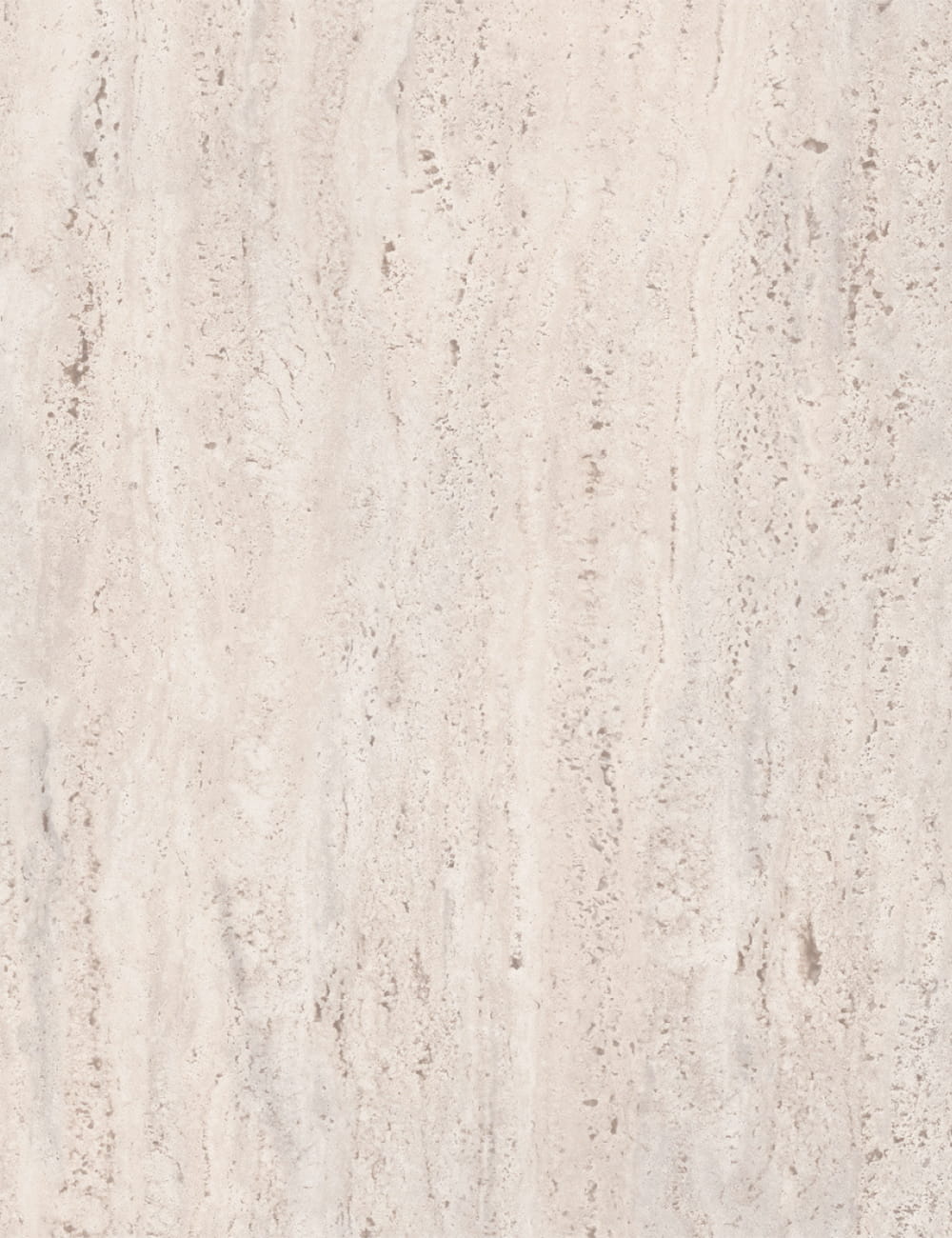 Marble & Stone 7x9ft Decorative Panel SeriesCompare Tivoli travertine, Imperial Green and Grey Marble finishes in the 2070×2800 mm format, where surface variation and delivery planning matter for stocked panels.View Product →
Stone and marble faces raise a separate logistics question, because a book-matched pair cannot be split across two deliveries without risking a colour mismatch. Distributors and fabricators planning to stock the format usually need racking, crating and cutting capacity confirmed first; the distributor programme is where those conditions are normally reviewed.
Acceptance Checks Before the First Cut
A 7x9ft board should be rejected if edge chipping exceeds 2 mm, if thickness varies by more than 0.3 mm across four measuring points, or if the face shows a colour shift against the approved master sample.
EN 324-1 defines how thickness, width and length of wood-based panels are measured, which makes it a usable basis for an incoming inspection record. A practical check list:
- Measure width and length at both ends and the middle, recorded against the 2,070 x 2,800 mm nominal.
- Measure thickness at four corners and at the centre of the same board.
- Check squareness by comparing the two diagonals; a difference above 2 mm shows as an open joint on a 2,700 mm door.
- Compare face colour and gloss against the master sample under D65 lighting rather than workshop lamps.
- Inspect all four edges for chipping and the face for scratches that will survive polishing.
- Record batch or lot numbers so grain and colour continuity can be traced across a wardrobe run.
How much does a 7x9ft furniture board weigh?
A 2,070 x 2,800 mm board at 18 mm has a volume of 0.104 m3. At a particleboard or MDF density of 650 kg/m3 that is about 68 kg; at 720 kg/m3 it reaches about 75 kg. Weigh a sample from each batch rather than relying on nominal density, because density varies with board type and supplier.
Can a 7x9ft board be cut on a standard panel saw?
Most sliding table and beam saws handle a 2,800 mm length without modification, but the 2,070 mm width needs rear support and outfeed rated for it. Confirm fence travel of at least 2,100 mm and outfeed support to 2,900 mm before scheduling the first batch.
Is the 7x9ft format more economical than 4x9ft?
By area, one 7x9ft board equals 1.70 boards of 1,220 x 2,800 mm. Per finished part it is often less efficient: the worked example above consumes 1.93 sq m of board per side panel against 1.71 sq m on the narrower sheet. It becomes the cheaper route when a joint would otherwise need filling, sanding and colour matching.
Which surfaces are produced in the 7x9ft format?
Wood grain, solid colour, fabric texture, leather texture, marble and stone, and metallic faces are all produced at 2,070 x 2,800 mm. Curved-edge components are handled as a separate product category with their own dimensional limits.



Copyright © CoreVip(Shanghai) Decoration Materials Co., Ltd. Rights Reserved.
China Decorative Cladding Panels OEM/ODM Manufacturers
