 English
 Français
 عربى
 русский

4x9ft Furniture Board vs Standard Panel Sizes: Manufacturing Efficiency
Sheet format is usually filed under purchasing. In furniture manufacturing it behaves as a production variable: it decides how many joints a component carries, how many times a board is handled, whether a grain direction survives a full-height door, and how much floor the racking consumes. The comparison below works the 4x9ft format against the standard 1220 x 2440 mm panel using cutting layouts, mass figures and machine limits rather than general impressions.
The Format Difference in Numbers
A 4x9ft furniture board measures 1220 x 2800 mm and covers 3.416 m², while the standard 1220 x 2440 mm panel covers 2.977 m², a 14.8% increase in area per sheet.
Length, not area, is the number that changes production. A 2700 mm wardrobe side, a 2600 mm door blank for a hotel corridor and a 2800 mm floor-to-ceiling gable all exceed 2440 mm, and the standard sheet cannot produce any of them in one piece. Where the tallest finished part stays under 2400 mm, the extra 360 mm is offcut from the first cut onward.
| Format | Dimensions (mm) | Area (m²) | Mass at 18 mm (kg) | Handling note |
| 4 x 8 ft | 1220 x 2440 | 2.977 | 37.5 | Fits standard saw tables |
| 4 x 9 ft | 1220 x 2800 | 3.416 | 43.0 | Needs 2850 mm stroke and racking |
| 6 x 8 ft | 1830 x 2440 | 4.465 | 56.3 | Two-person lift or vacuum lifter |
| 7 x 9 ft | 2070 x 2800 | 5.796 | 73.0 | Mechanical handling only |
Density is a declared value, not a constant. Boards of the same thickness from different suppliers sit at different densities, so the mass column is a calculation aid rather than a specification: replace 700 kg/m³ with the figure on the supplier declaration before quoting lifting limits or freight weight.
Squareness deserves the same attention. EN 324-2 covers the determination of squareness and edge straightness for wood-based panels, and the same angular deviation opens a wider gap at the corner of a 2800 mm edge than at the corner of a 2440 mm edge. Two sheets certified against the same tolerance class do not behave identically on a long component.
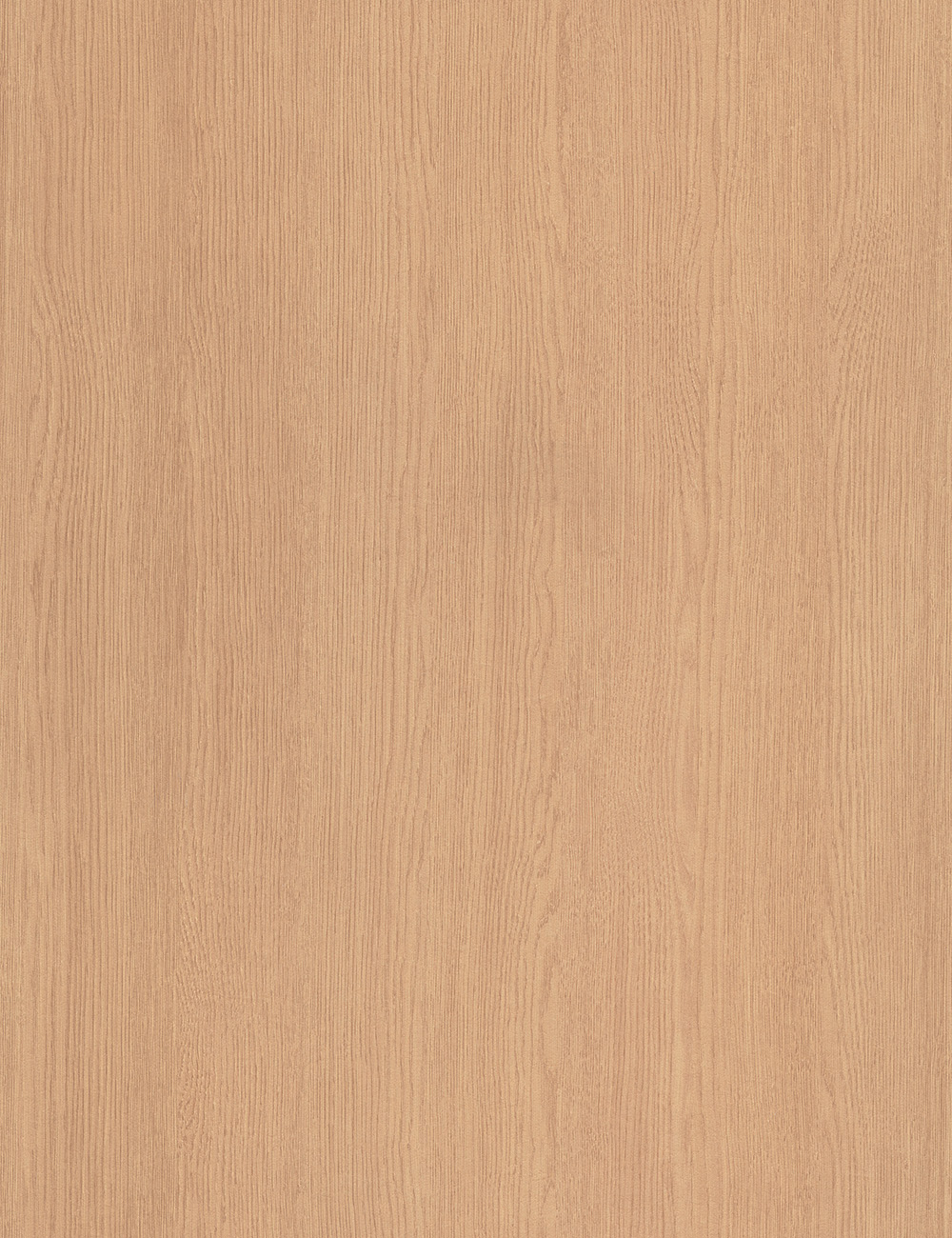 CoreVip 4x9ft Decorative Panel Series1220×2800mm decorative panels for furniture and interiors, with wood-grain and other surface ranges; the long format removes butt joints on 2700mm components.View Product →
Cut Yield: What the Extra 360 mm Actually Changes
The 4x9ft format does not save board. For a set of six 2700 x 600 mm side panels, the 1220 x 2800 mm route purchases 10.25 m² and the 1220 x 2440 mm route purchases 10.05 m², so the larger sheet costs about 2% more material while removing six butt joints.
Cut yield is the area of finished components divided by the area of purchased sheet, expressed as a percentage. It measures material utilisation only, which is why a layout carrying six joints can report a higher yield than a layout carrying none.
That inversion is the centre of the comparison, and it is why sheet price per square metre is a weak basis for choosing a format. A butt joint costs a cut, a glue application, a clamp cycle, a sanding pass and an inspection, and none of those operations appear on a board invoice.
| Measure | 1220 x 2440 mm | 1220 x 2800 mm |
| Sheets consumed | 3 plus 0.375 shared | 3 |
| Board purchased | 10.05 m² | 10.25 m² |
| Net component area | 9.72 m² | 9.72 m² |
| Butt joints per set | 6 | 0 |
| Yield on purchased board | 96.7% | 94.8% |
The 4x9ft layout leaves a 600 x 100 mm strip at the end of every 2700 mm part. Those strips feed blocking, cleats or drawer bottoms, and a cut list planned around them turns the offcut into usable stock instead of scrap.
Where the 4x9 Format Wins and Where It Does Not
The 4x9ft format wins wherever a finished component runs between 2441 mm and 2800 mm, and it loses wherever every component fits inside 2440 mm.
The 4x9ft case
- Full-height wardrobe sides, gables and door blanks at 2700 to 2800 mm
- Floor-to-ceiling runs in hospitality and retail fit-outs
- Grain-matched and vein-matched faces that must not break
- Fewer sheets per component set, so fewer saw cycles and fewer lifts
The standard case
- Base cabinets, drawer boxes and wall units, all under 2440 mm
- Buildings with 2440 mm-only lift and stair access
- Workshops without 2850 mm racking or vacuum lifting
- Projects where the 360 mm offcut has no component to feed
Machine, Handling and Storage Checks
Four checks decide whether a workshop can run 2800 mm board: saw stroke, edge bander support, racking depth and lifting method. Each one is a hard limit rather than a preference.
- Beam saw or panel saw: at least 2850 mm of supported cut length, with infeed and outfeed tables that carry a 43 kg sheet without tipping.
- Nesting router: a bed of 3050 x 2100 mm or larger, and a vacuum pod layout that holds a 1220 x 2800 mm sheet flat along the full length.
- Edge bander: panel length capacity plus a return conveyor or roller extension, because a 2800 mm panel that overhangs the infeed rollers lifts at the trailing end and bands at uneven pressure.
- Racking: 2850 mm clear depth, loaded vertically, with the bottom board clear of the floor.
- Lifting: at 43.0 kg for an 18 mm sheet, a two-person lift or a vacuum lifter rated for 60 kg; the extra length also raises the risk of the board folding when it is carried by the ends.
- Transport and site access: 2900 mm pallet length, tail-lift capacity, and a confirmed path through the stairwell and service lift.
Surface Continuity: The Design Argument
A 2800 mm sheet allows a full-height door or side panel to be cut as one piece, so grain, veining and texture direction run from floor to ceiling without a break. A joint at 2400 mm interrupts the pattern at the height the eye reads first.
CoreVip (Shanghai) Decoration Materials Co., Ltd. produces decorative panel ranges in a 1220 x 2800 mm format alongside a 2070 x 2800 mm format, which means a full-height wardrobe door and a wide two-door face can each come from one unbroken sheet. The surface offer runs from wood grain and stone or marble through to fabric, leather, metal and lacquer door panels, and the production and finishing process behind those surfaces matters as much as the decor itself. Residential installations in the residential project gallery show how the format reads once the joinery is installed.
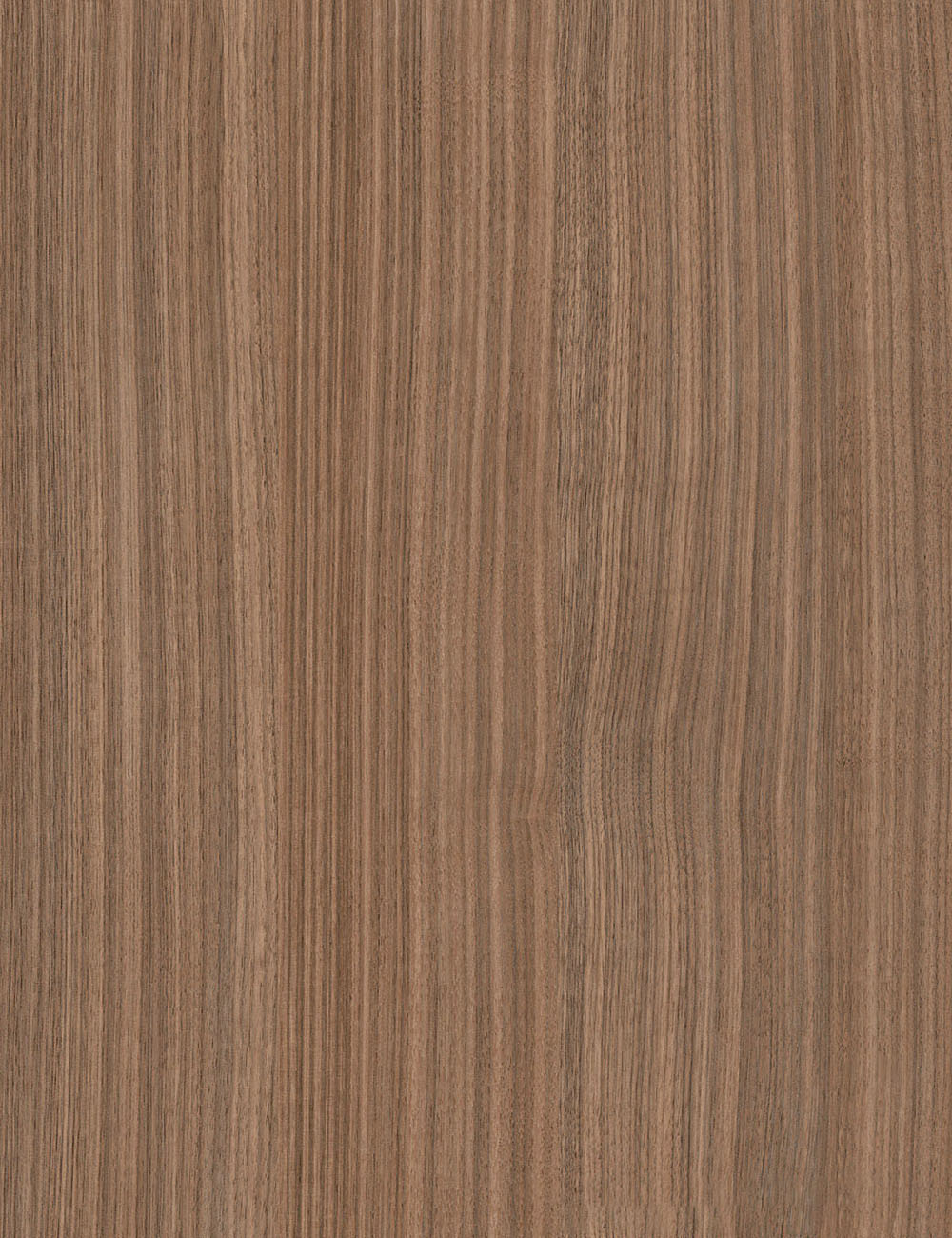
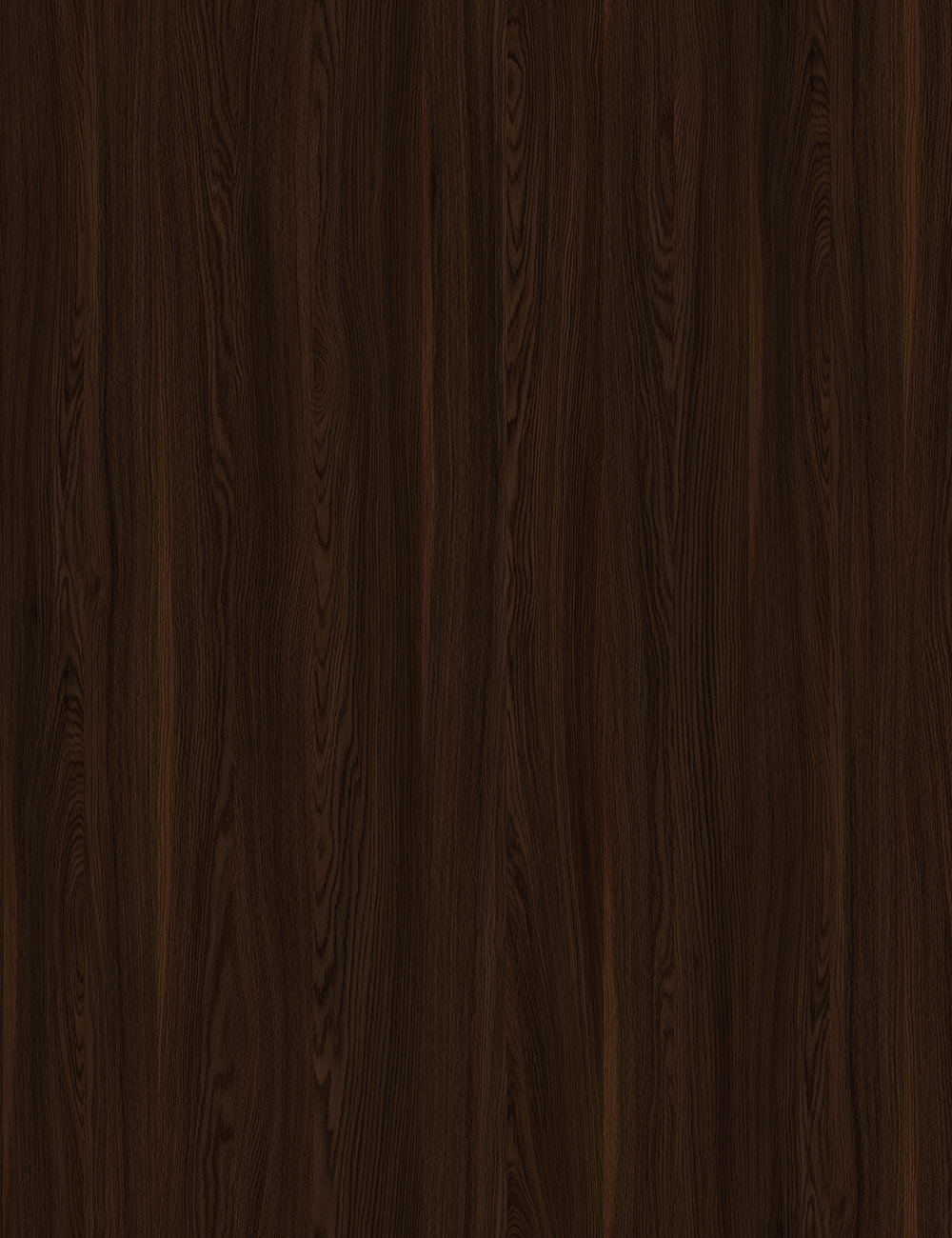
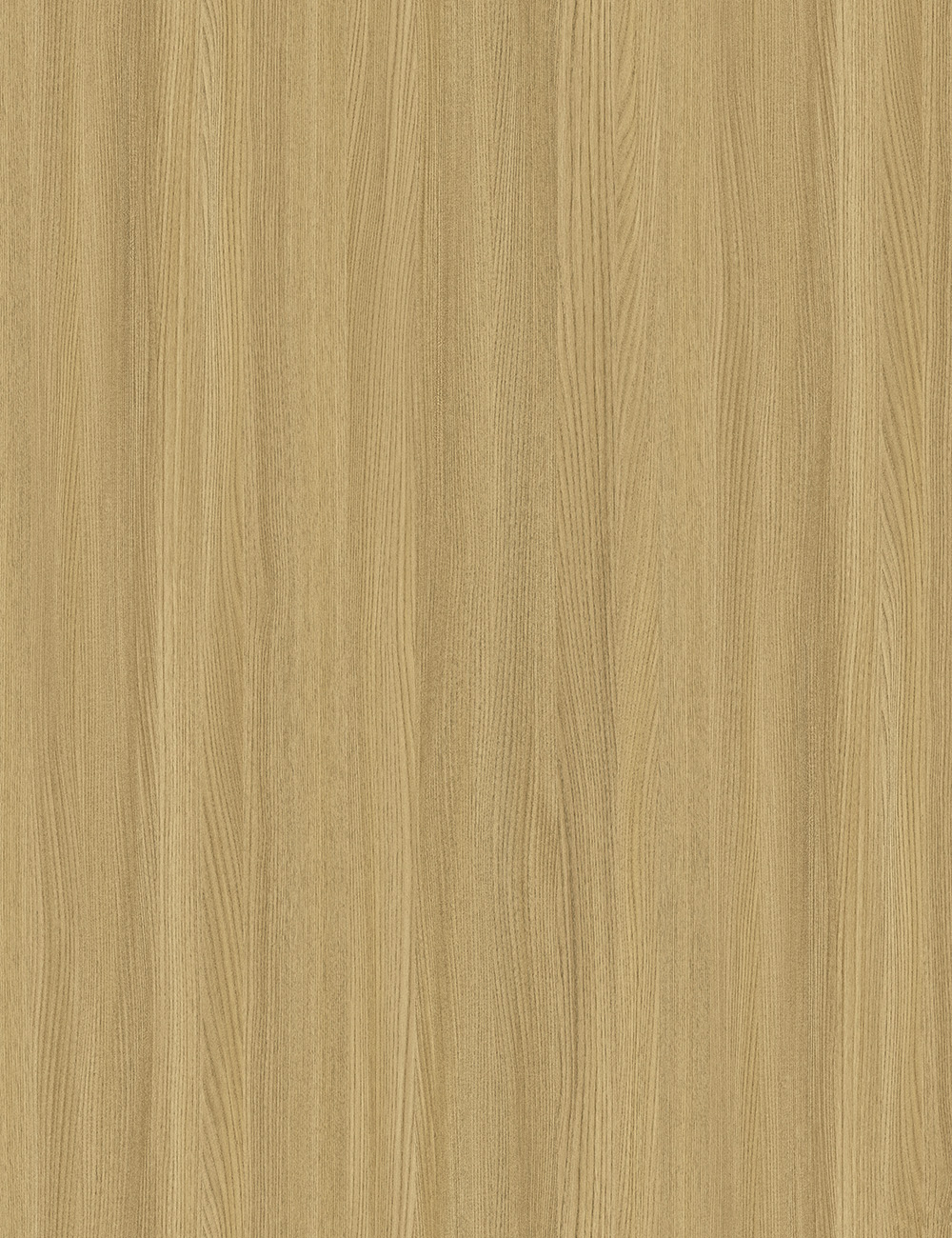
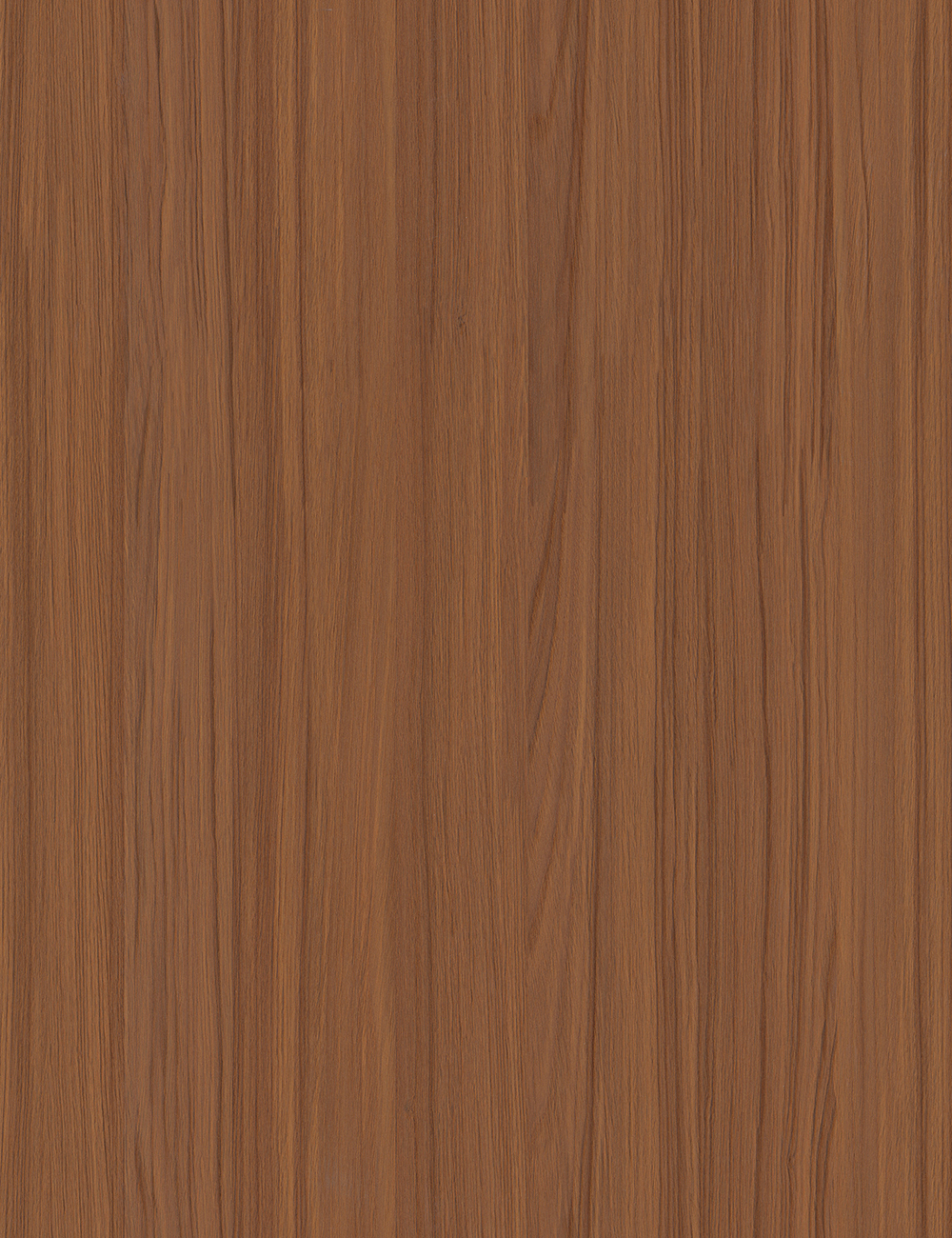
CoreVip 4x9ft Wood Grain Panel Series1220×2800mm wood-grain panels in oak, walnut and elm variants, offering options where continuous grain and surface texture across full-height fronts matter.View Product →
Wood grain shows the difference most clearly. A synchronized oak or smoked walnut face is pressed so the printed decor follows the surface texture, and a 260 mm joint across a 2700 mm front breaks the register between pattern and embossing at exactly the point a client will touch.
Wide faces carry their own constraint. A 2070 x 2800 mm board covers a face that would otherwise need two 1220 mm panels and a vertical seam, which is the deciding factor for headboard walls, island backs and reception fronts.
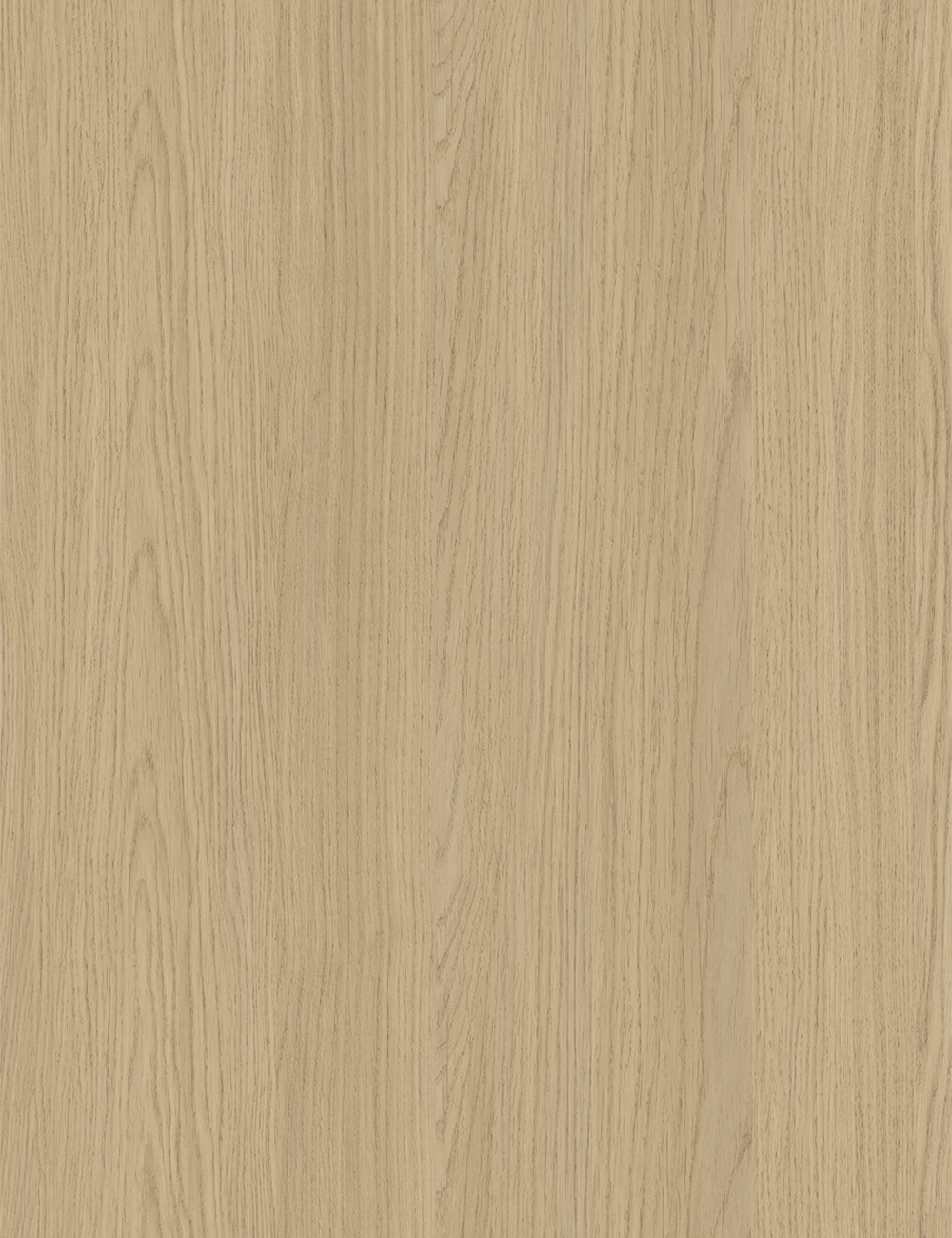 CoreVip 7x9ft Decorative Panel Series2070×2800mm decorative panels for wide furniture and interior faces, with wood-grain and other surface series; the width avoids a vertical seam on large fronts.View Product →
For melamine faced boards used indoors, EN 14322 sets the classification and requirements for the decorative face. A longer sheet does not change that surface specification; it only removes the seam that would otherwise cut through it.
A Four-Step Format Decision
Four checks in sequence settle the format question before any supplier conversation begins.
- Measure the tallest finished component. If it exceeds 2440 mm, the standard format already carries a joint and the 4x9ft board has a defined job.
- Count the components between 2441 mm and 2800 mm per project. A run with six or more tall parts justifies holding 2800 mm stock; one or two parts are usually cheaper to joint.
- Check the machine envelope. Saw stroke, nesting bed and edge bander support are hard limits, and a 2800 mm panel on a 2500 mm saw is not a workaround.
- Check lifting, racking and site access. A 43.0 kg sheet and a 2850 mm rack depth are the two figures that most often decide against the format.
Where tall components are a small share of output, the practical answer is mixed stock: 1220 x 2440 mm for carcasses, shelves and drawer boxes, with 1220 x 2800 mm reserved for the parts that must not be jointed.
Questions Manufacturers Ask Before Changing Format
Does a 4x9ft board lower material cost per cabinet?
Not by area. On the six-panel example, the 1220 x 2800 mm route purchases 10.25 m² against 10.05 m² for the 1220 x 2440 mm route, about 2% more board. The saving appears in labour: six butt joints removed means six fewer glue, clamp, sand and inspection cycles per set.
What does a 1220 x 2800 mm sheet weigh at 18 mm?
43.0 kg at an assumed 700 kg/m³, against 37.5 kg for 1220 x 2440 mm. The supplier declaration governs the real figure: a board at 650 kg/m³ weighs about 40 kg in the same format, which still exceeds a comfortable one-person lift.
Can a standard edge bander run 2800 mm panels?
Only where the panel length capacity and the infeed support both reach 2800 mm. Without a return conveyor or roller extension the trailing end drops, pressure on the band becomes uneven, and the result shows as a proud or thin edge along part of the length.
When is a 2070 x 2800 mm board the better choice?
When the finished face is wider than 1220 mm. A 2070 mm board covers a two-metre face with no vertical seam, where two 1220 mm panels would leave a joint at the centre of a headboard wall or island back.



Copyright © CoreVip(Shanghai) Decoration Materials Co., Ltd. Rights Reserved.
China Decorative Cladding Panels OEM/ODM Manufacturers
