 English
 Français
 عربى
 русский

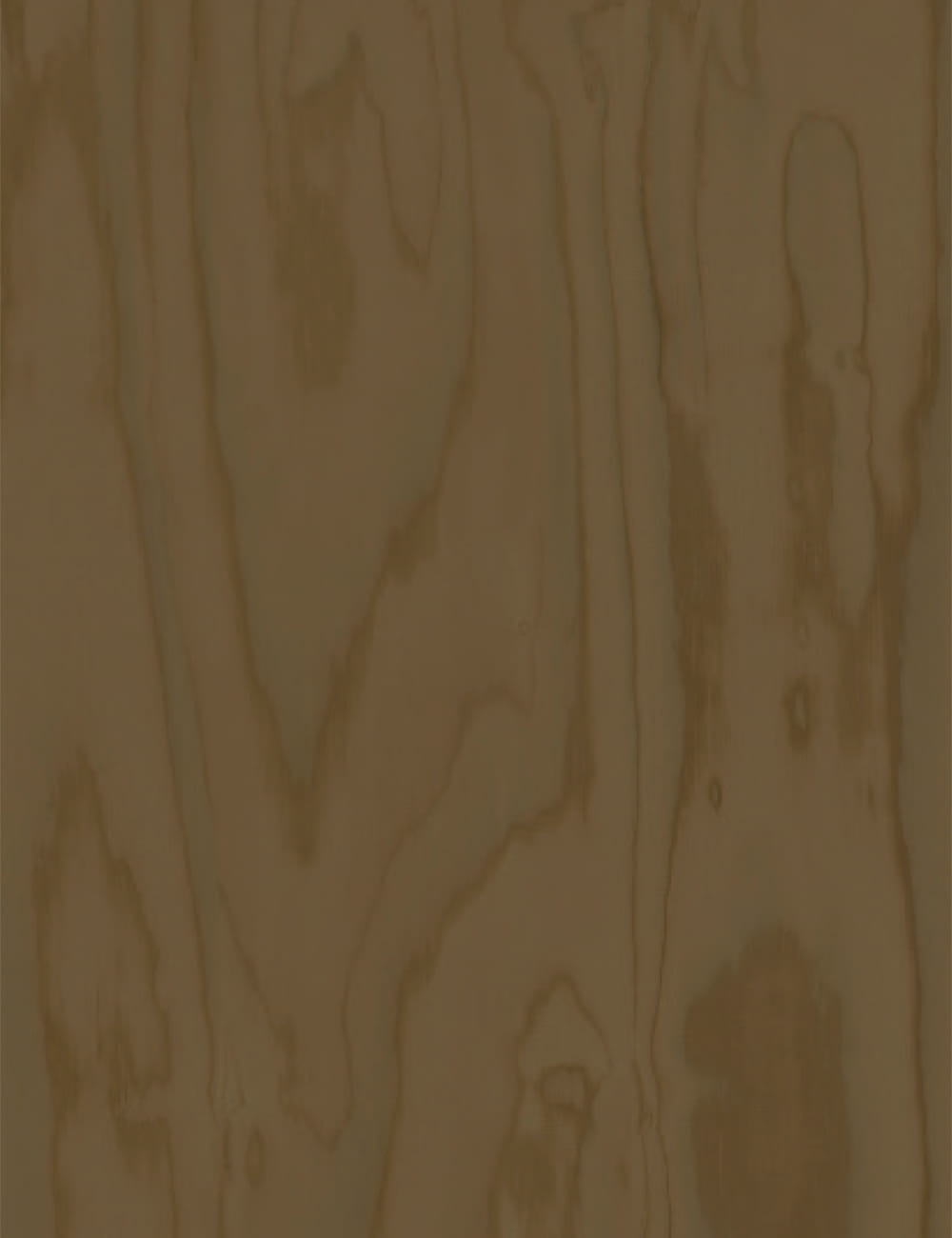
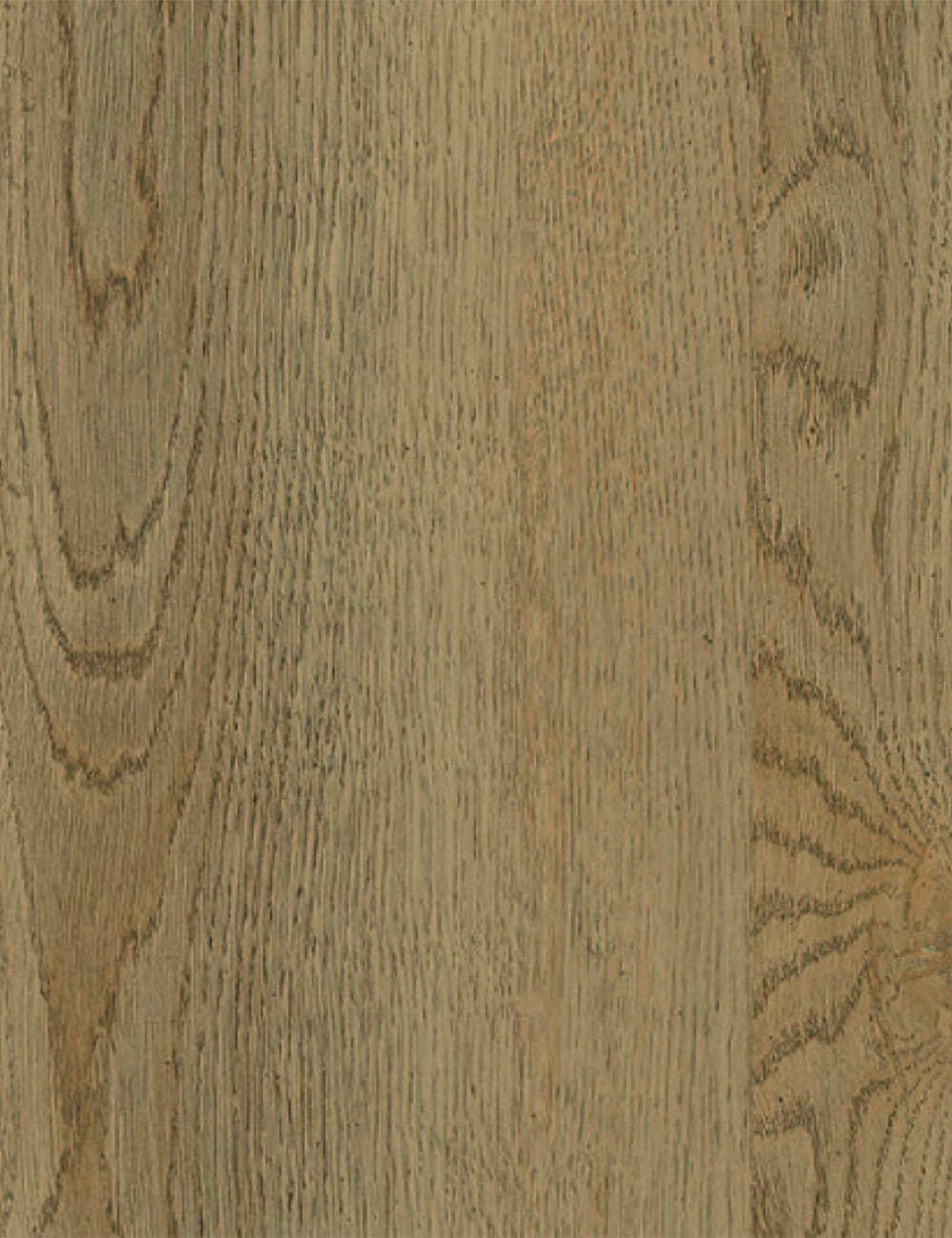
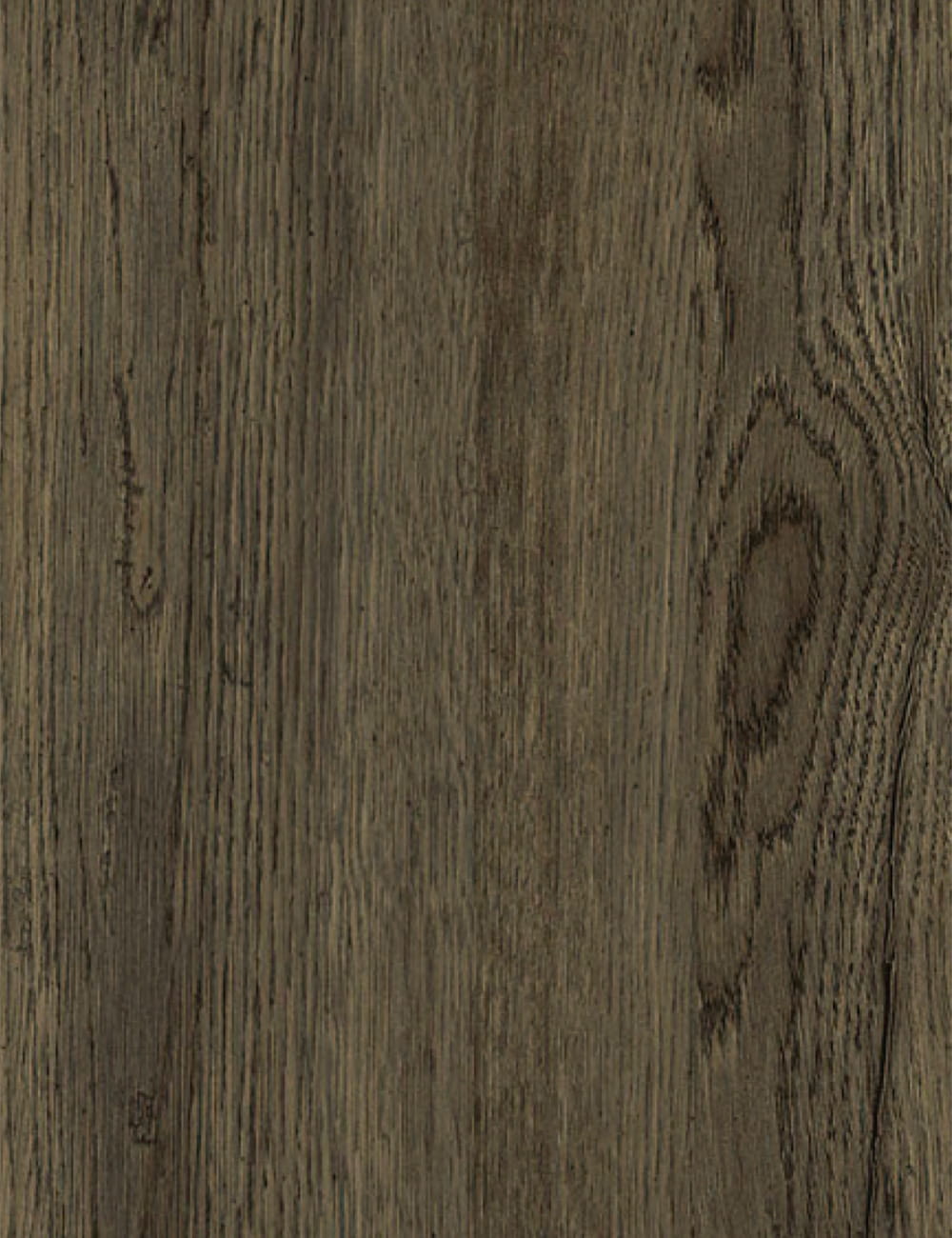
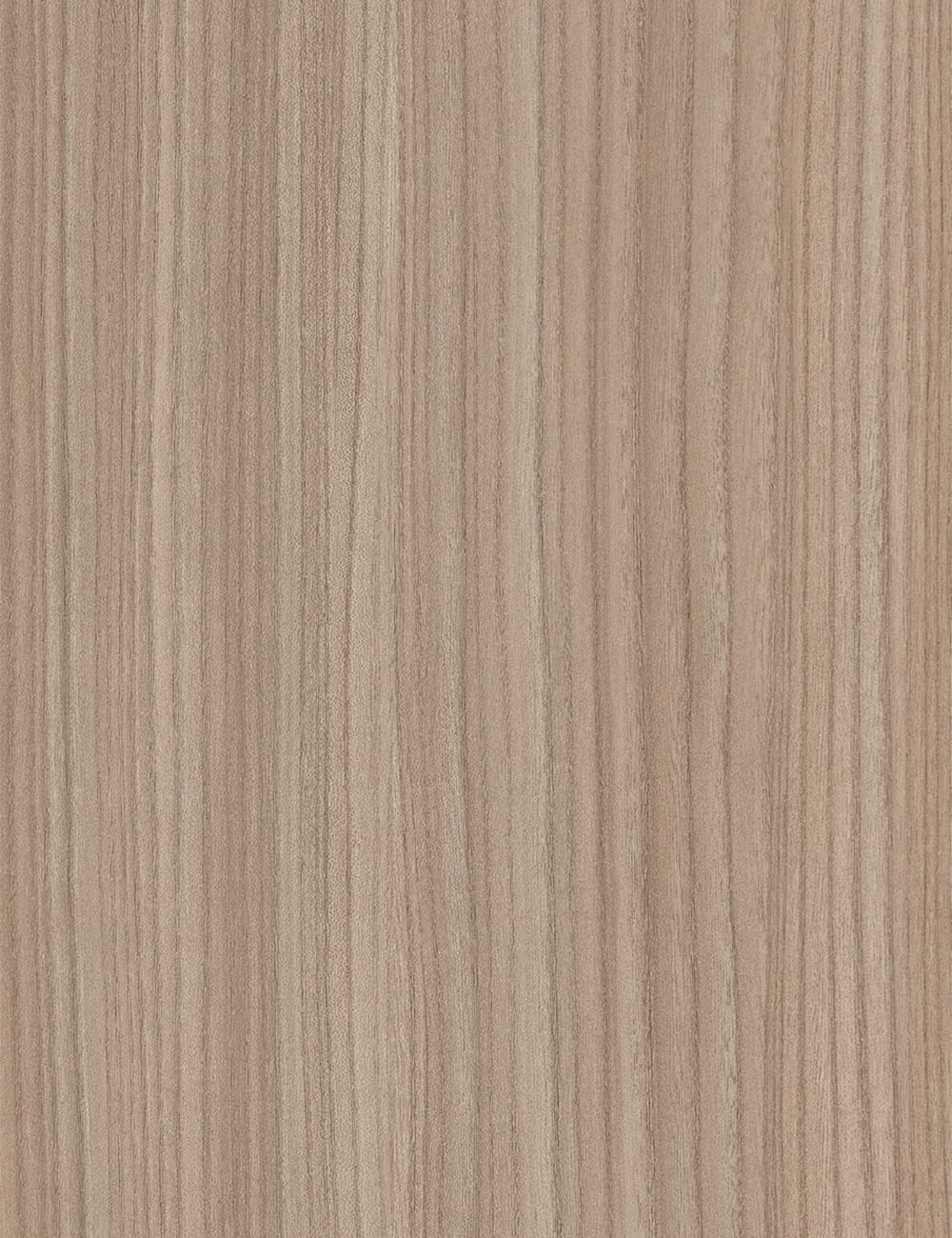
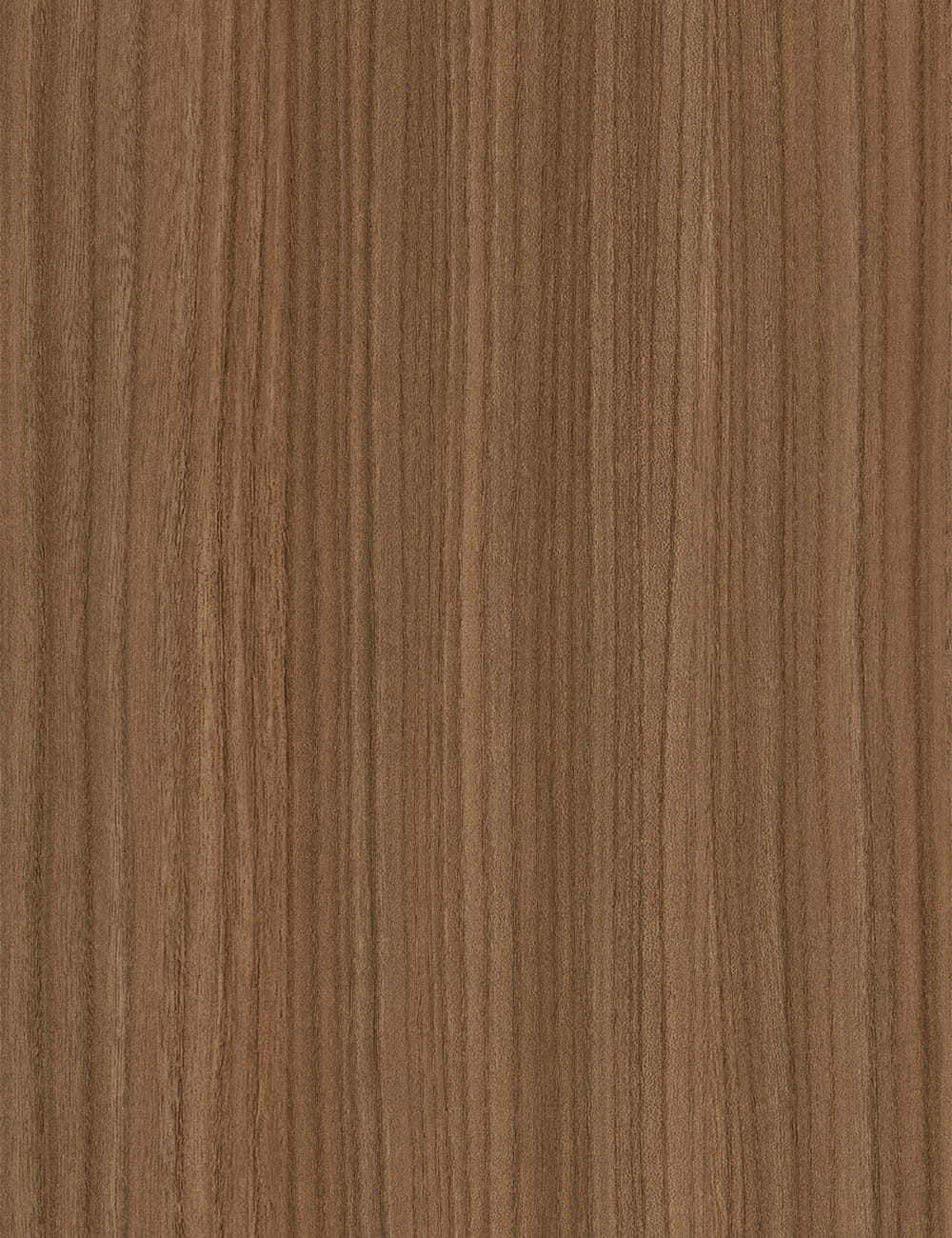
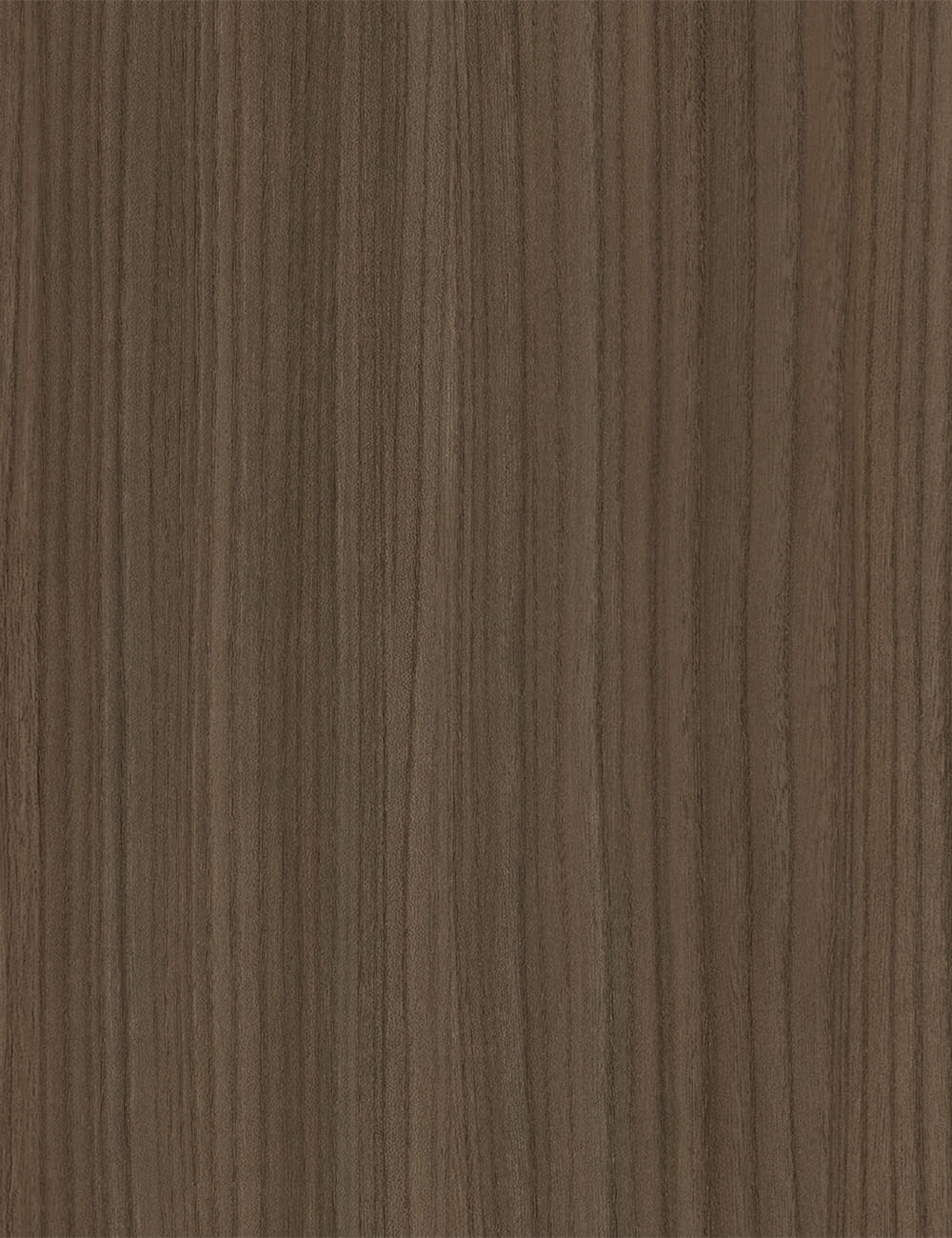






CoreVip(Shanghai) Decoration Materials Co., Ltd. specializes in the design, research and development, and production of furniture and interior decorative panels. We are China 7x9ft Decorative Panel Series (2070×2800mm) Manufacturers and Wholesale 7x9ft Decorative Panel Series (2070×2800mm) Exporter, Company.
Our brand philosophy is rooted in the harmonious fusion of natural artistry, contemporary aesthetics, and technological innovation. We meticulously select and refine raw materials, and continuously develop surface finishes that resonate with the aesthetics and lifestyles of the new era.
True luxury speaks through the essence of materials, the balance of proportions, and the subtlety of details, never through excess. With a philosophy of deliberate reduction, CoreVip(Shanghai) Decoration Materials Co., Ltd. unveils a more sophisticated vision of spatial beauty, crafting timeless and one-of-a-kind value for each home and each living environment.
-
Decorative Cladding Panels and Laminated Board: Matching Spe...
Two wall panels can carry the same oak-grain decor, the same colour name and the same 2800 mm length, and still behave completely differently on site: one is a decorative cladding panel built to cover a wall plane, the other an 18 mm melamine-faced furniture board built to carry a hinge. Matching ...
-
4x9ft Furniture Board vs Standard Panel Sizes: Manufacturing...
A wardrobe side panel finished at 2700 mm cannot be cut from a 1220 x 2440 mm board. The sheet stops 260 mm short, so the panel becomes two pieces, a butt joint lands at eye level, and every unit in the run repeats the same operation. A 1220 x 2800 mm furniture board removes that joint and adds ro...
CoreVip(Shanghai) Decoration Materials Co., Ltd. designs, develops and manufactures furniture and interior decorative panels, and the 2070 × 2800 mm format is our large-sheet platform for projects that cannot be built from a standard 1220 mm board. The range covers six coordinated surface families — wood grain, solid colour, fabric texture, marble and stone, leather texture and metallic — produced on particleboard, MDF and multilayer plywood cores.
As the 7x9ft Decorative Panel Series (2070×2800mm) Manufacturers, Exporter, Company, we keep decor, core and surface process inside one production system, so a single project can specify tall door blanks, wall cladding and cabinet fronts against the same approved reference. Italian-led surface design is paired with a 23,000 m² plant in Fengxian District, Shanghai, China, running 18 production lines.
What the 2070 × 2800 mm Sheet Changes
As a Wholesale 7x9ft Decorative Panel Series (2070×2800mm) Manufacturers, Exporter, Company, we match product configuration to the application, operating limits, interfaces and acceptance criteria defined for each project.
One 2070 × 2800 mm sheet carries 5.80 m² of decorative face, roughly 70% more usable surface than a 1220 × 2800 mm board. The practical result is fewer joints in a full-height run and fewer pieces to machine, band and align on site.
- A 2800 mm wall or wardrobe side cuts as a single panel, so the horizontal seam disappears from the elevation.
- Fewer cut pieces mean fewer edge-band metres, fewer drilling setups and less handling per completed unit.
- Pattern continuity is easier to hold across a tall door because grain and veining are not interrupted by a joint line.
- The larger face is also heavier and more flexible across its width — panel saws with full table support, vacuum lifting and flat, dry storage belong in the specification.
Our Available Range in This Series
Each surface family shares the same sheet dimension and substrate options, which lets a designer move between finishes in one interior without changing panel build-up, fixing detail or machining programme.
Wood Grain Series
Oak, walnut and maple references including Rumba Light Oak TB-115, Rumba Brown Oak Beige TB-116, Rumba Black Oak TB-117, Mountain Grain Walnut TB-118, Wushan Smoked Walnut TB-126 and Maple TB-130. For furniture fronts, wall panels and door skins where a natural timber reading is required without solid-wood movement.
Solid Color Series
White VD-101, Milk Coffee VD-102, Light Grey VD-104, Khaki VD-105, Dark Grey VD-107 and speckled tones through VD-109. Used for minimal cabinetry, reception counters and wall runs where colour consistency across a large face matters more than pattern.
Fabric Texture Series
Floral Fabric Texture TB-127, Floral Fabric Texture Classic TB-128 and Grey Fabric Texture TB-129. A soft, textile-like surface for headboard walls, wardrobe internals and hospitality fit-outs that call for acoustic-adjacent softness in appearance.
Marble & Stone Series
Veined and mineral-look faces for feature walls, table tops and lift lobbies, giving the reading of stone at a fraction of the handling weight and without joint lines across a 2.8 m elevation.
Leather Texture Series
Grained leather-look surfaces for wardrobe doors, bedside panels and retail display, bringing tactility to large-format panels that would otherwise be flat in character.
Metallic Series
Brushed and satin metal-effect finishes for kitchen surrounds, commercial counters and accent walls, coordinated with the wood and stone families in the same interior scheme.
Projects that do not require the wider sheet can be built from our 4x9ft Decorative Panel Series (1220×2800mm), which uses the same 2800 mm length and surface families on a narrower board.
Matching Surface Family to Application
| Series | Surface character | Typical application | Configuration note |
|---|---|---|---|
| Wood Grain | Open-pore oak, walnut, maple reading | Wardrobes, tall doors, wall cladding | Grain direction fixed at cutting-plan stage |
| Solid Color | Matte to low-sheen uniform colour | Kitchen carcasses, retail fixtures, reception | Batch colour reference agreed before pressing |
| Fabric Texture | Woven and floral relief | Headboard walls, hotel rooms, wardrobe internals | Pattern repeat checked against panel width |
| Marble & Stone | Veined and mineral graphics | Feature walls, lobby cladding, table tops | Book-match layout planned per elevation |
| Leather Texture | Fine-grain, tactile surface | Door fronts, bedside panels, display units | Edge-band tone matched to the surface |
| Metallic | Brushed and satin metal effect | Kitchen surrounds, counters, accent panels | Reflectivity reviewed against lighting direction |
Cores, Build-Up and Thickness
The 2070 × 2800 mm sheet is supplied on particleboard, MDF or multilayer plywood, and the core is selected against the load case rather than the finish alone. A tall wardrobe side in a humid climate, a door blank that will be drilled for concealed hinges and a wall panel that will be adhesive-fixed each load the board differently.
- Particleboard — stable flat panels for carcasses, shelving and built-in furniture.
- MDF — tighter, more uniform edge for routed profiles, shaped door edges and painted or lacquered faces.
- Multilayer plywood — preferred where screw-holding at the edge and moisture tolerance carry more weight than cost.
- Thickness and surface build-up are fixed per project, together with the finish route: melamine-faced, lacquer-coated, metal-faced, high-gloss, mirror-effect or fabric and leather-wrapped.
Process Control Behind the Surface
Substrate screening, sanding and board surface treatment give every finish a flat, stable foundation before decoration. Uniform adhesive application and controlled pressing are what hold the laminate layer down across a 5.8 m² face, reducing bubbles, wrinkles and delamination that only show up after machining.
Coating and finishing stages are controlled for colour, texture, gloss level and visual flatness, so the sheet that arrives on site reads the same as the approved sample. Because the same lines run the wood grain, stone and solid families, a mixed-finish interior can be produced against one colour and gloss standard.
Machining, Edge Treatment and Installation
Large-format panels are only as good as the cutting plan behind them. We work from the elevation and the panel schedule so grain direction, book-matched veining and edge-band colour are decided before the boards are cut, not corrected on site.
- PVC edge banding in matching colours and patterns, with seamless one-piece curved edge options for radiused returns.
- Panels conditioned flat and dry before machining; stacked vertically on edge for transport to avoid bow.
- Fixings, adhesives and sub-frame spacing agreed against the substrate and the wall build-up.
- Expansion allowance at perimeter joints on large wall runs, particularly in mechanically ventilated spaces.
Where This Series Fits
The format suits residential whole-house packages, hospitality guest rooms, retail fixturing and commercial wall cladding where floor-to-ceiling surfaces are specified. It also supports integrated doors, walls and cabinets from one surface system, which is the usual route to a coherent interior across living, bedroom, kitchen and bathroom zones.
For distribution partners, the six families act as a compact stock programme: a small number of sheet references covers a broad design range, and the range can be extended with project-specific decor rather than held as deep inventory.
Quality Control and Acceptance
Raw material suppliers are screened and audited, incoming material is inspected and compared against reference before it enters production, and in-process inspection follows the board through pressing, coating and finishing. Batch-to-batch consistency of surface performance, structural stability and appearance is the measure we hold.
Shipments are supported by a Quality Inspection Certificate, an Inspection Report and a Certificate of Origin. Where a project requires acceptance against an approved counter-sample, that sample is retained as the reference for the production batch.
Information We Use to Configure Your Solution
A workable proposal for this series starts from the application and the panel schedule, not from a colour card. The list below is what our technical team needs to fix substrate, surface family, thickness and packing.
- Application and load case: wardrobe side, door blank, wall cladding, counter or display fixture.
- Surface family and colour reference, with a sample or a digital reference to match against.
- Preferred core — particleboard, MDF or plywood — and required thickness.
- Cutting list or elevation drawings, grain direction and book-match requirements.
- Edge-band specification and whether curved or radiused edges are involved.
- Finish performance expectations: sheen level, cleaning regime, moisture and wear exposure.
- Quantity per decor, delivery sequence and destination so loading and protection can be planned.
- Documentation required for handover and any third-party inspection arrangement.
Where the surface has to sit within a wider scheme, our Wood Grain 7x9ft Decorative Panel and Marble & Stone Series are the usual anchors, with solid colour, fabric, leather and metallic references resolving the surrounding joinery.
Frequently Asked Questions
What is the difference between the 2070 × 2800 mm series and the 1220 × 2800 mm series?
Both series share the 2800 mm length and the same surface families. The 7x9ft sheet is 2070 mm wide and carries 5.80 m² of decorative face, against about 3.42 m² on the 1220 mm board, which allows full-height wall and door panels to be cut as a single piece.
Which substrates can you supply on this format?
Particleboard, MDF and multilayer plywood, with thickness and surface build-up confirmed per project. The core is matched to the application — routed door edges generally favour MDF, edge screw-holding favours plywood, and flat carcass work is usually built on particleboard.
Can you match a specific colour, wood reference or stone graphic?
Substrates, sizes and colours are all customisable within our OEM/ODM programme. We work from a physical sample or a defined colour reference, produce a counter-sample for approval, and hold that approved sample as the production and acceptance reference.
Do you supply matching edge banding and processed components?
Yes. PVC edge banding is available in matching colours and patterns, together with seamless one-piece curved edge options, and we support matching decorative processing alongside board supply for whole-house and furniture projects.
What documentation accompanies an order?
Orders are supported by a Quality Inspection Certificate, an Inspection Report and a Certificate of Origin, and inspection records follow the batch from incoming material through in-process checks to final finishing.
Can one project mix several surface families?
Yes. Wood grain, solid colour, fabric texture, marble and stone, leather texture and metallic finishes run on shared substrate platforms and a common colour and gloss standard, so a single interior can combine them without changing panel build-up or machining programmes.


Copyright © CoreVip(Shanghai) Decoration Materials Co., Ltd. Rights Reserved.
Wholesale 7x9ft Decorative Panel Series (2070×2800mm) Manufacturers
